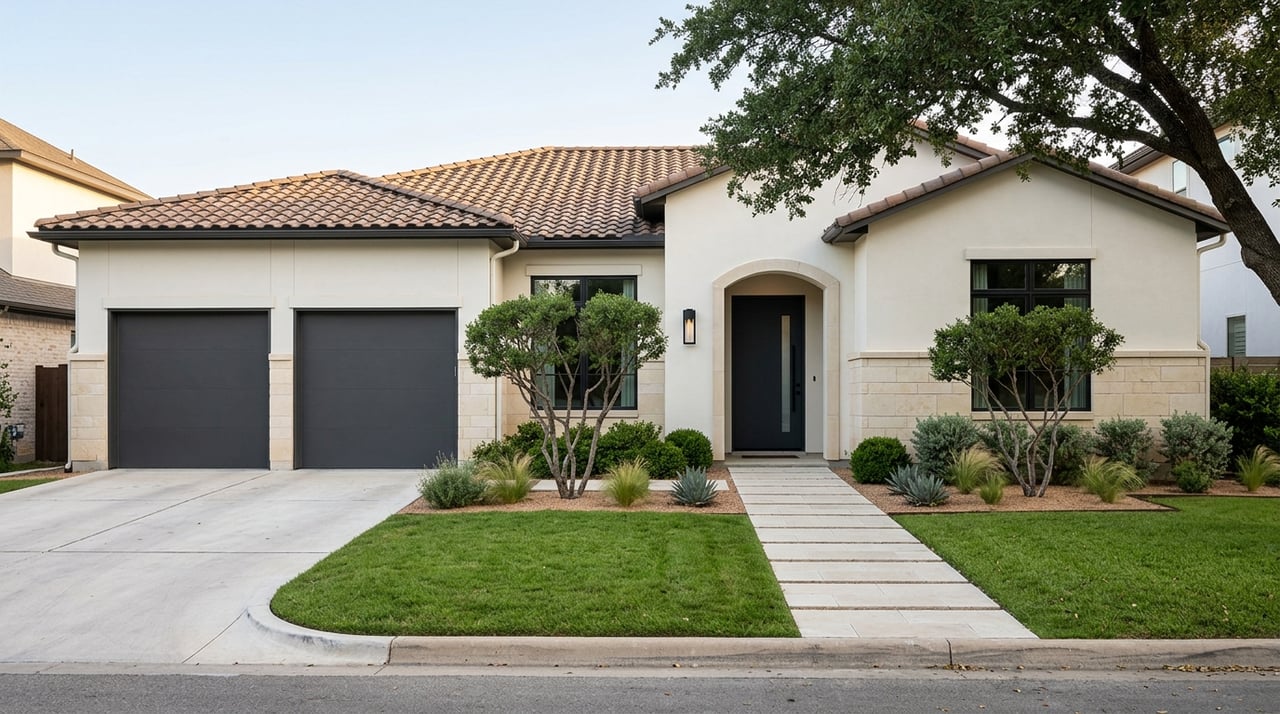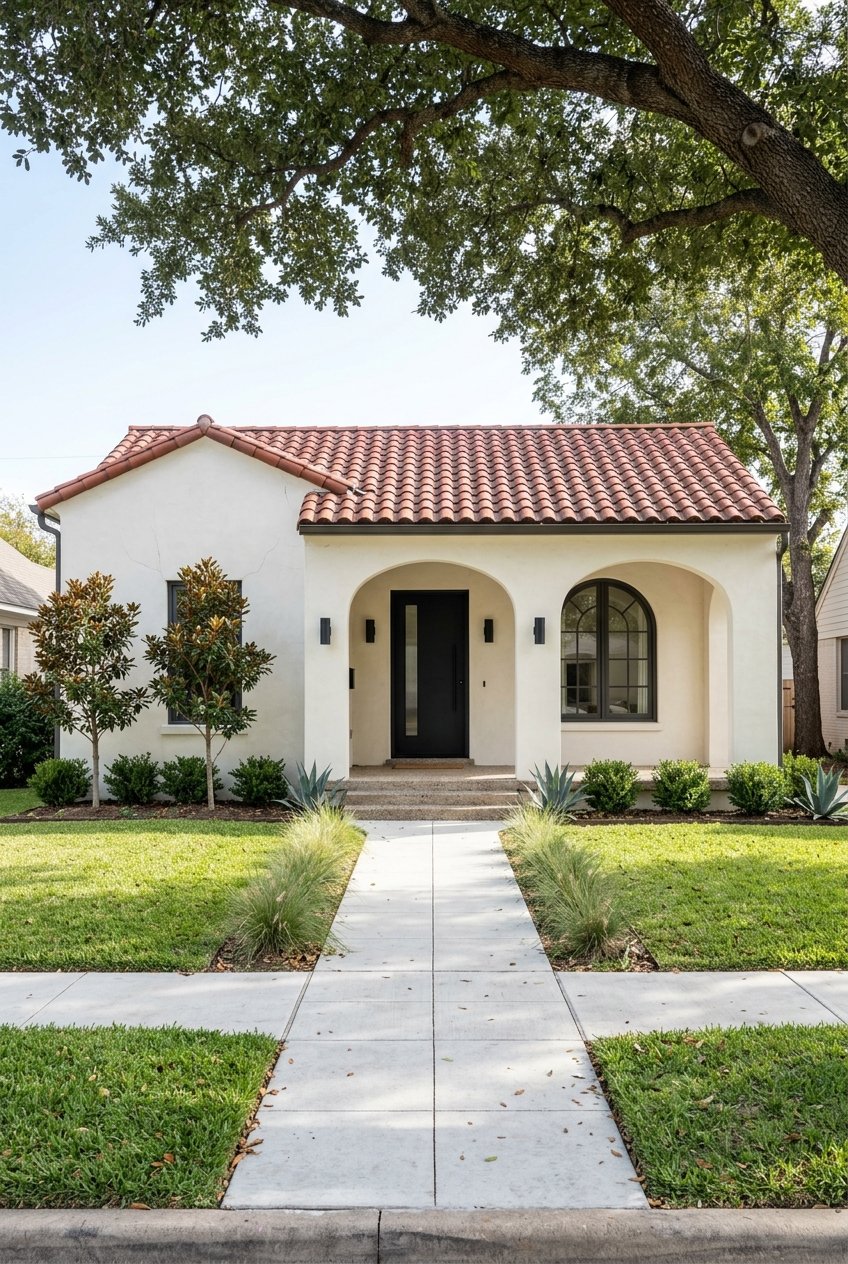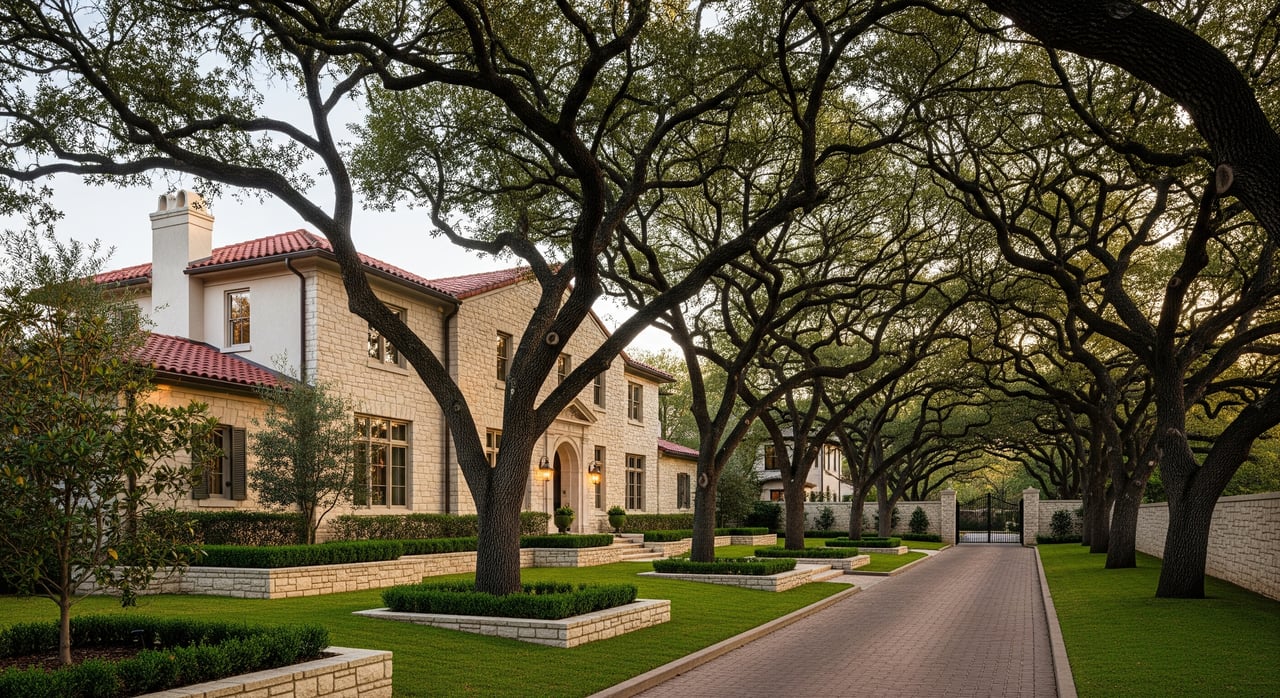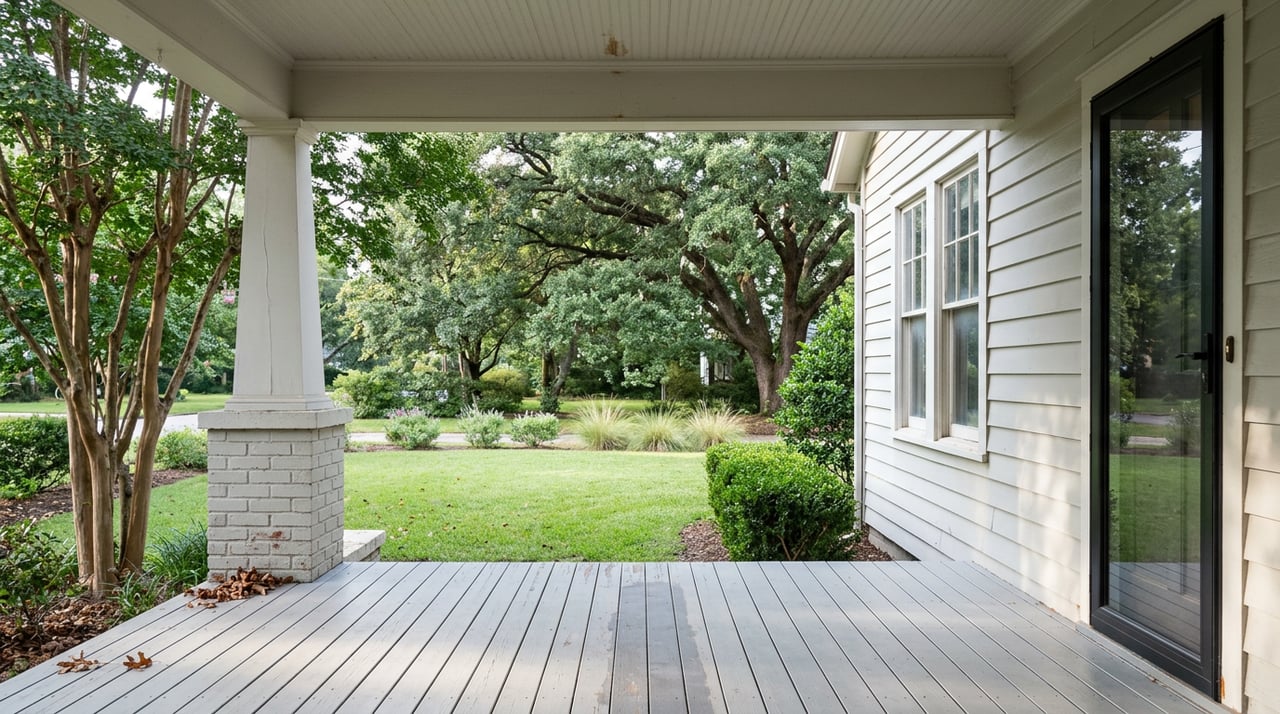
This spring, an application landed on the city's Historic and Design Review Commission agenda for a house in Monte Vista: a rear addition to be removed, a new rear addition built in its place, and modifications to a side porch. The applicant was Collin Stone of CR Stone Construction LLC, and the case moved through the same process every exterior project in the district has to clear before a contractor can start work. Nothing about it was unusual. That's the point. This is what a normal Tuesday looks like for anyone renovating in one of the largest residential historic districts in Texas, and most of what people assume about that process is wrong in ways that change how you should price, buy, or sell a house here.
The common assumption is that historic designation means paperwork purgatory for anything you touch. The reality is narrower and, in some ways, more useful to know. Interior work in Monte Vista does not need a Certificate of Appropriateness at all, though the city may still require a standard building permit. The review layer exists for what's visible from the street. That distinction is the first thing worth getting right before you assume a listing's "as-is" charm means a frozen floor plan.
What Actually Triggers a Hearing, and What Doesn't
The Monte Vista Historical Association's own guidance to homeowners lays out a two-track system. Smaller, in-kind repairs can be handled through an Administrative Certificate of Appropriateness reviewed by city staff. Larger or more visible changes go to a full Certificate of Appropriateness application heard by the Historic and Design Review Commission, an 11-member body appointed by City Council. A voluntary but strongly recommended middle step exists too: the MVHA's own Architectural Review Committee, chaired by Ryan Reed, meets the first Monday of each month at the association's office next to Landa Library. Getting in front of that committee before filing with the city tends to produce a faster, cheaper path through HDRC, and it's treated as a courtesy to neighbors rather than a legal requirement. Separately, HDRC runs a Design Review Committee that meets twice monthly for informal, non-binding feedback on plans before an owner has sunk real money into drawings.
Past HDRC case files from Monte Vista show how this plays out on real houses. A driveway widening request at 107 W Craig Place, a 1906 home designed by architect Atlee B. Ayers, required a full hearing because historic driveway configuration is a factor the commission weighs. A new storage shed proposed at 223 W Hollywood Ave, a 1925 Spanish Eclectic house by architects Carvel and Frost, went through the same process after an earlier version was denied and revised. A privacy fence at 237 W Agarita, a 1920s Tudor Revival, was approved only after the applicant agreed to reduce the height on both side property lines. At 312 W Agarita, a request to demolish a rear accessory structure and rebuild it as a two-story garage went to a hearing because accessory structures contribute to a property's historic character, even when they're falling apart.
The pattern across these cases is consistent: additions and new structures go to the rear when possible, original materials get repaired before they get replaced, and front-facing changes draw the most scrutiny. None of that touches a kitchen remodel or a primary bath renovation, which is where most buyers actually want to spend money.
Here's a quick reference for what tends to need a hearing and what doesn't:
| Project | Typical Review Path |
|---|---|
| Interior renovation (kitchen, bath, structural work) | No Certificate of Appropriateness; a standard city permit may still apply |
| In-kind reroof, same material and pitch | Staff-level administrative approval |
| Roof material change or new dormer | Full HDRC hearing |
| New front-yard fence or gate | Certificate of Appropriateness required; front privacy fences are generally discouraged |
| Driveway widening | Certificate of Appropriateness required; historic configuration is a review factor |
| Rear addition or new accessory structure | Certificate of Appropriateness required; rear siting and subordinate scale preferred |
| Solar panels | Certificate of Appropriateness required; rear roof plane placement preferred |
The Tax Exemption Almost Nobody Explains at Closing
The part of this system that actually moves money is the substantial rehabilitation tax exemption, and it's the piece most buyers never hear about until it's too late to factor into an offer. To qualify, a homeowner's rehab costs have to reach 30 percent of the property's assessed value. Qualifying work includes foundation, roof, and siding repairs along with electrical, plumbing, and HVAC upgrades. The city's Office of Historic Preservation has estimated the average participating homeowner saves about $4,800 a year in city property taxes. Hoda and Scott Cummings used the program to bring a dilapidated house at 237 Claudia St back into livable condition, the kind of project that would otherwise be hard to pencil out.
The detail that matters most for anyone buying in Monte Vista is this: the exemption stays with the property when it sells. It was never designed to reset to zero at closing. So if you're touring a house where a prior owner completed a documented substantial rehab, you may be walking into an existing, multi-year tax reduction rather than a one-time perk the seller already used up. That's worth asking about directly, and worth verifying against the property's Bexar County appraisal history, because it changes the real annual cost of owning that specific house in a way a listing description won't spell out.
Why the Median Price You See Doesn't Mean What You Think
Pull up a few different home-value trackers for Monte Vista right now and you'll get genuinely different stories. One read on closed sales over the three months ending in March 2026 puts the median around $606,000 to $607,000, down about 4 percent from the same period a year earlier, with homes taking somewhere between 68 and 83 days to sell depending on how the average is calculated. A separate estimate of average home value, built from ongoing valuation models rather than closed sales, put the number near $641,000 as of the end of May 2026, up about 4 percent year over year. A trailing-30-day read showed a median above $650,000, up more than 25 percent year over year, but that snapshot came from only a couple of closed sales. A 12-month rolling median landed near $658,000, up about 3 percent, with days on market running longer than the citywide average.
None of these numbers is wrong. They're measuring different things over different windows, and in a neighborhood where only a handful of homes close in a typical month, that's enough to produce headlines that look like they're describing different markets. When your sample size is 2 to 10 sales, one fully restored mansion or one estate-sale fixer can move the whole median by tens of thousands of dollars. A citywide report can smooth that out. A hundred-block historic district can't.
The practical takeaway is that a Monte Vista median price is a poor tool for pricing a specific house. Price per square foot, adjusted for how much of the historic fabric survives intact and whether the property carries an active tax exemption or a clean HDRC history, tells you far more than a single headline figure. That's true whether you're setting a list price or deciding what to offer.
What This Means If You're Buying or Selling Here
A house in Monte Vista carries two kinds of paper trail that most buyers never ask to see: its HDRC case history and its tax exemption status. Together they tell you more about what you're actually purchasing, and what it will actually cost to maintain, than the median price on any national site. If you're selling, documenting a clean, code-compliant renovation history, and any active tax exemption, gives a buyer's agent something concrete to build an offer around instead of guessing. If you're buying, asking those two questions before you write an offer will tell you more than a walk-through ever will.
If you're weighing a purchase or sale of a historic Monte Vista property, or want a second opinion on how a specific renovation history should factor into pricing, Ignite International Group works this district regularly and can walk through the specifics with you. Book an appointment to talk through your situation before you list or make an offer.
Frequently Asked Questions
Does an interior remodel in Monte Vista need city approval? No Certificate of Appropriateness is required for interior-only work, though the city may still require a standard building permit depending on the scope.
If I buy a house with an active tax exemption, do I keep it? The substantial rehabilitation exemption is tied to the property, not the owner, so it carries over to a new buyer rather than resetting at closing.
How long does a Certificate of Appropriateness take? Small, in-kind repairs can often clear through staff-level administrative review in a matter of weeks. Larger or more visible changes, like additions, new fences, or accessory structures, require a full hearing before the Historic and Design Review Commission, which adds real time to a renovation timeline and is worth planning around before you set a closing date on renovation-contingent financing.