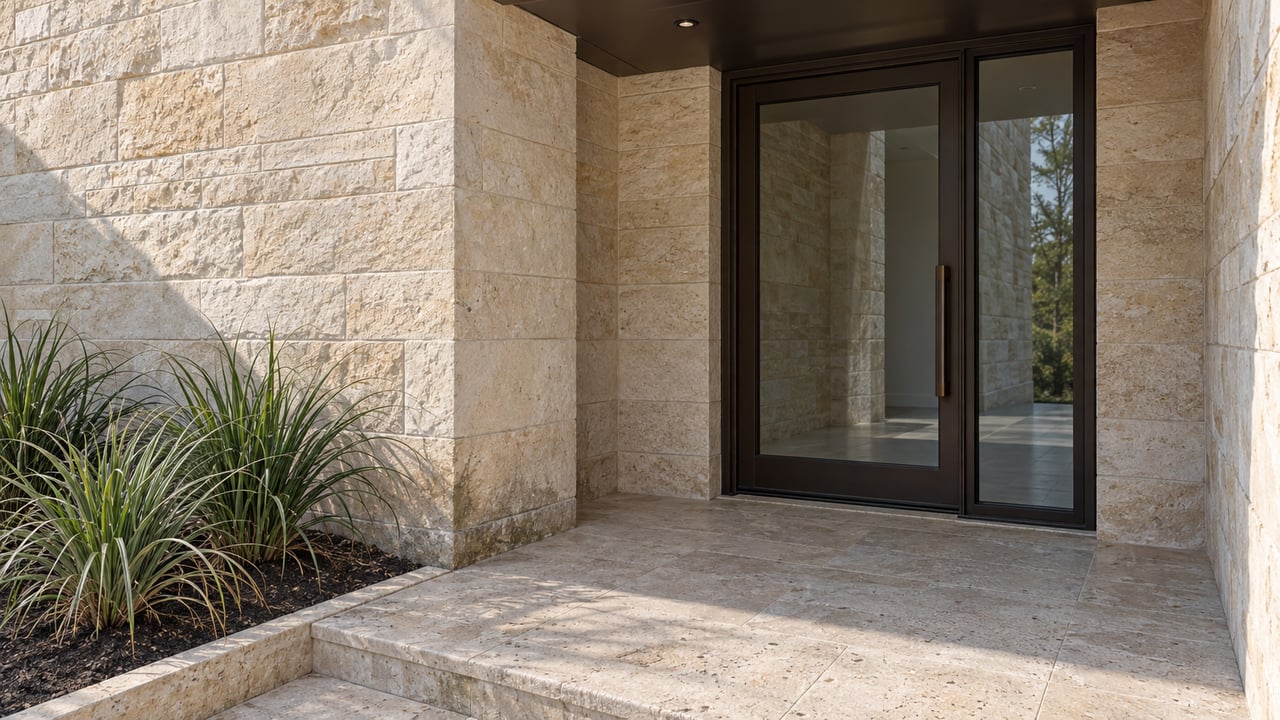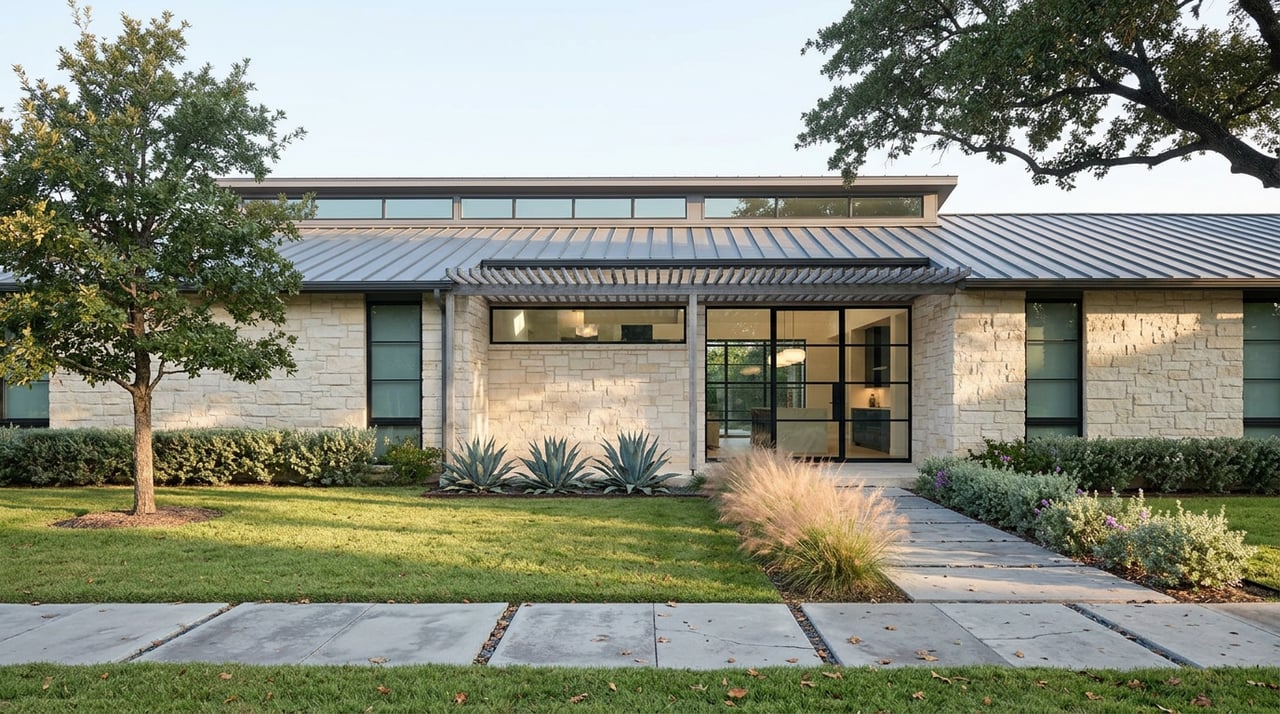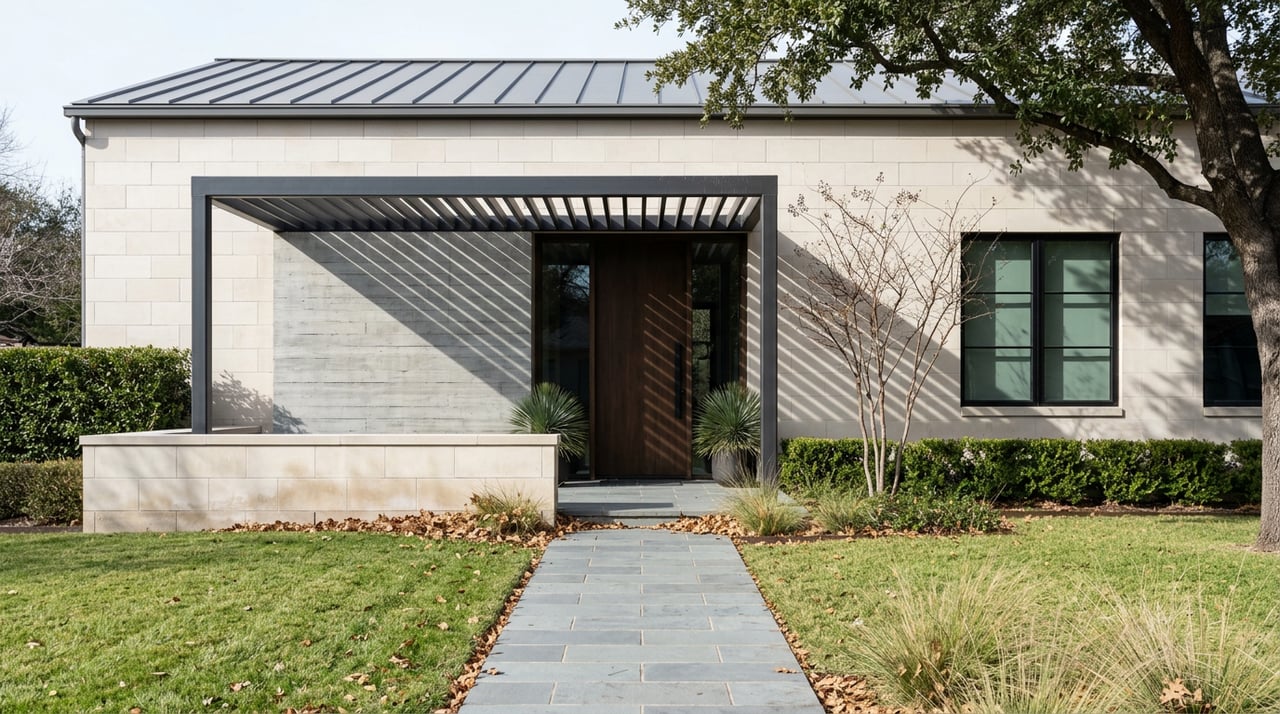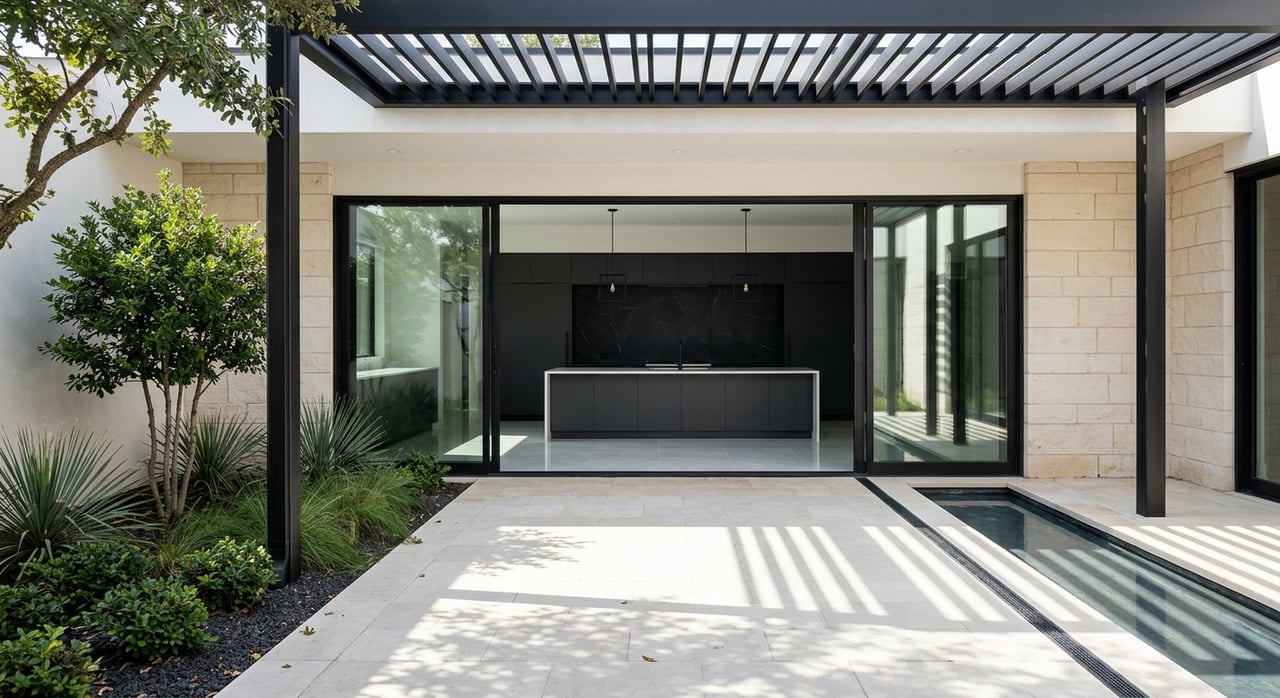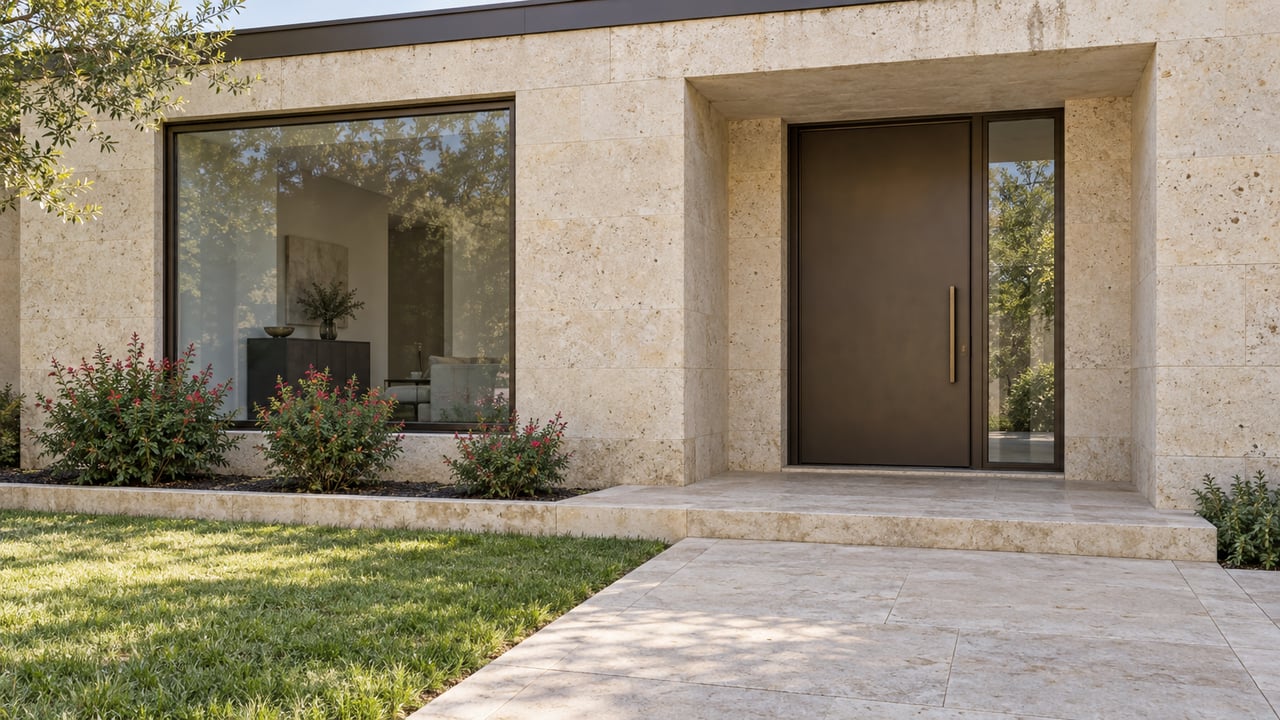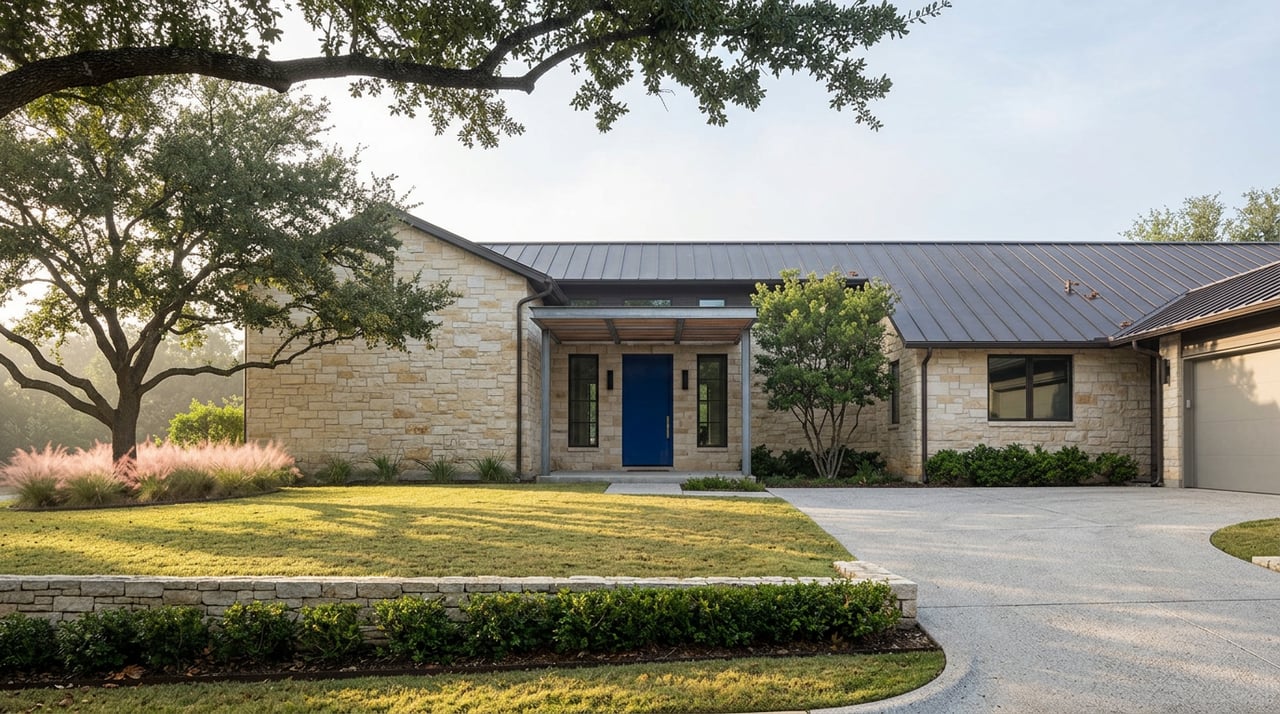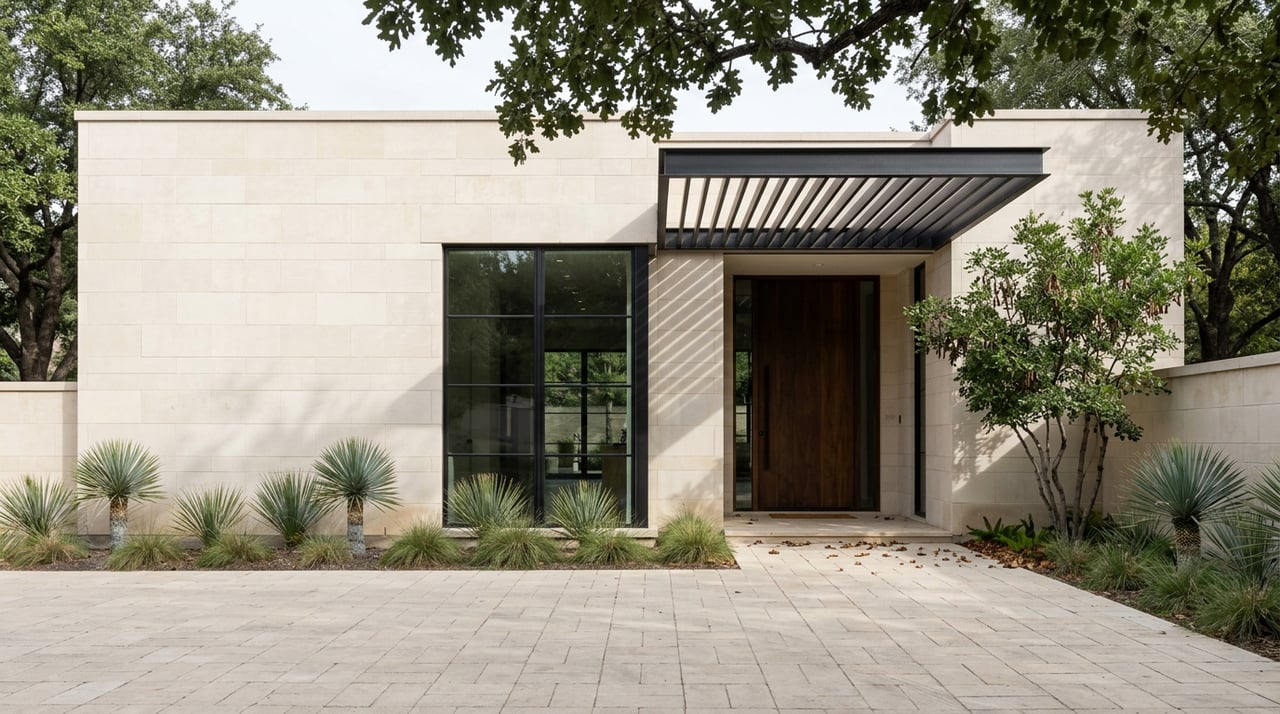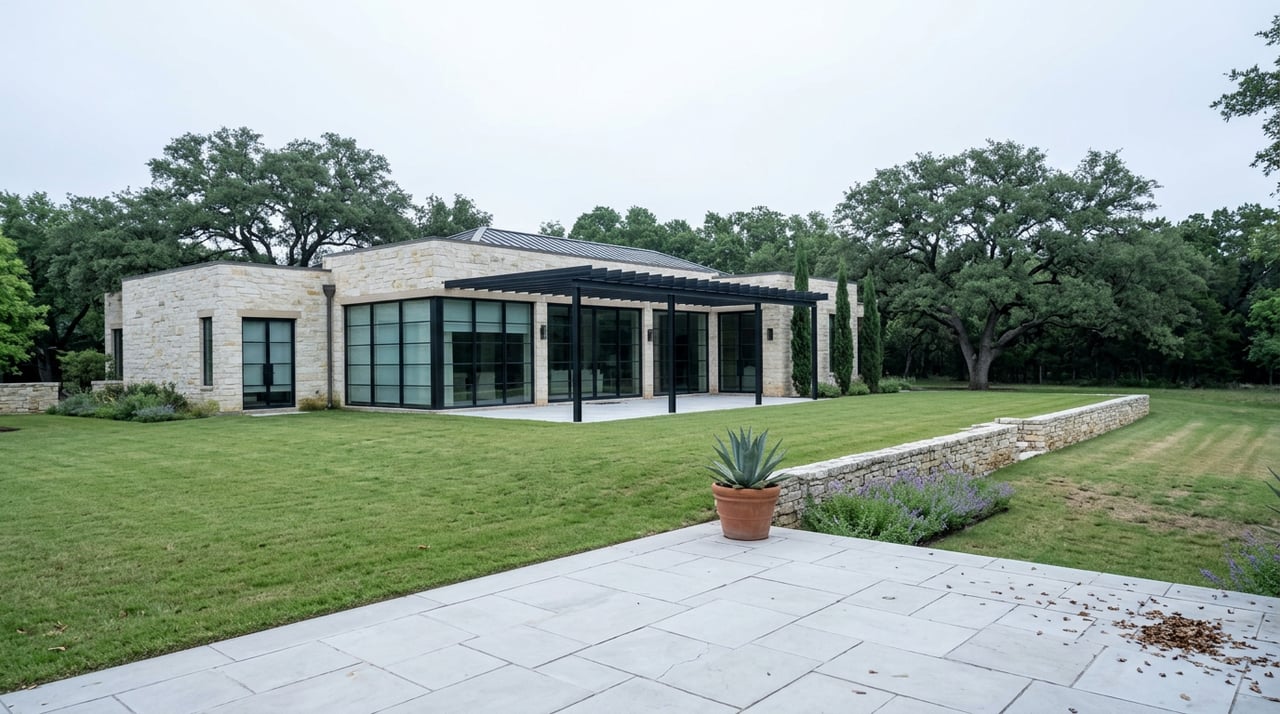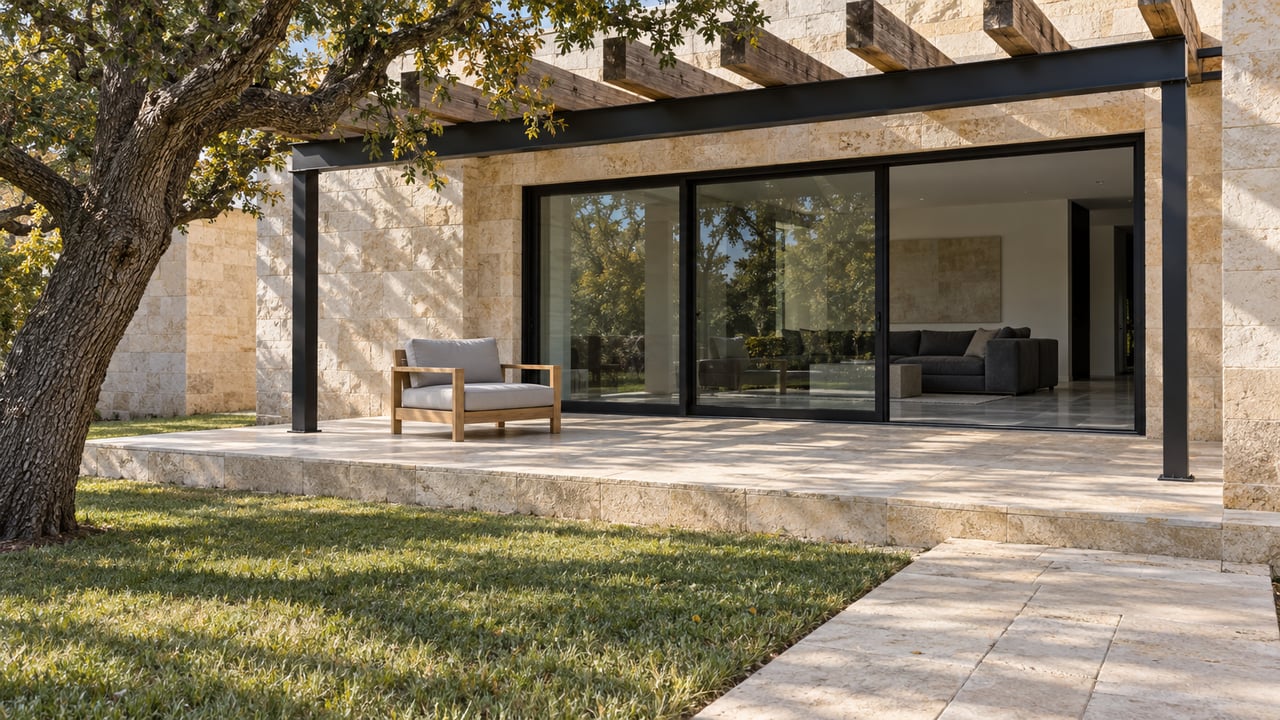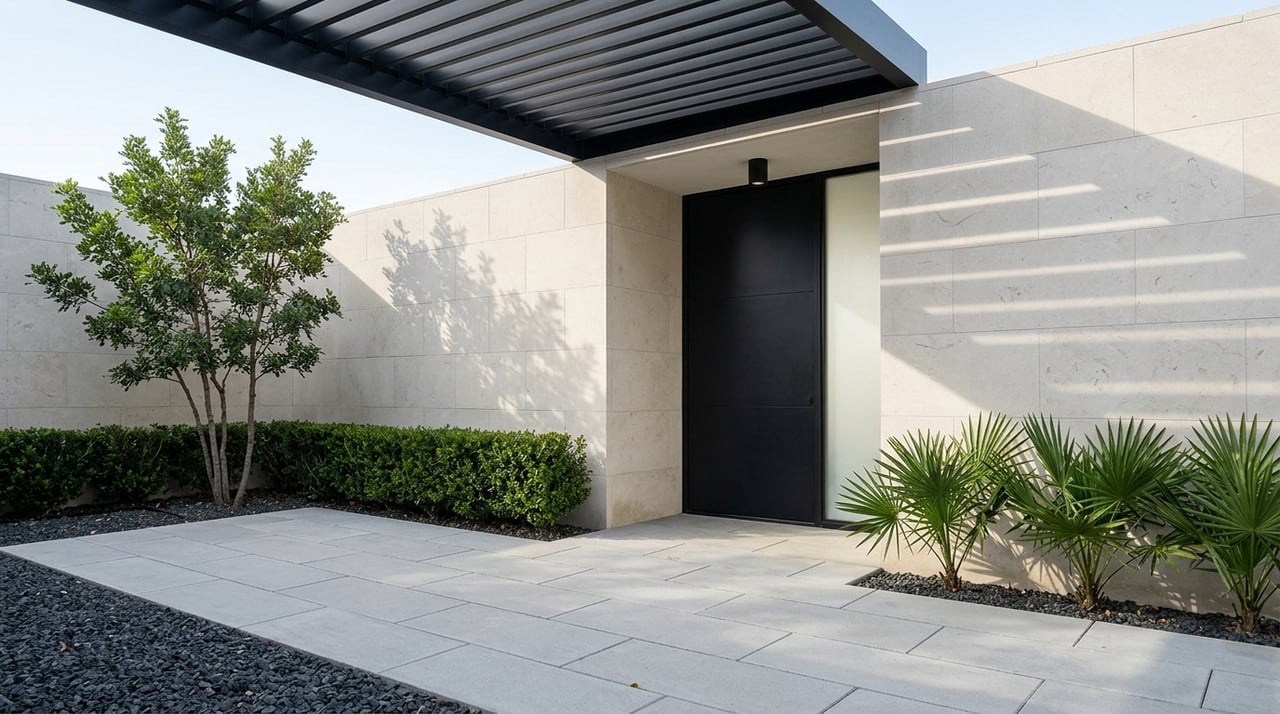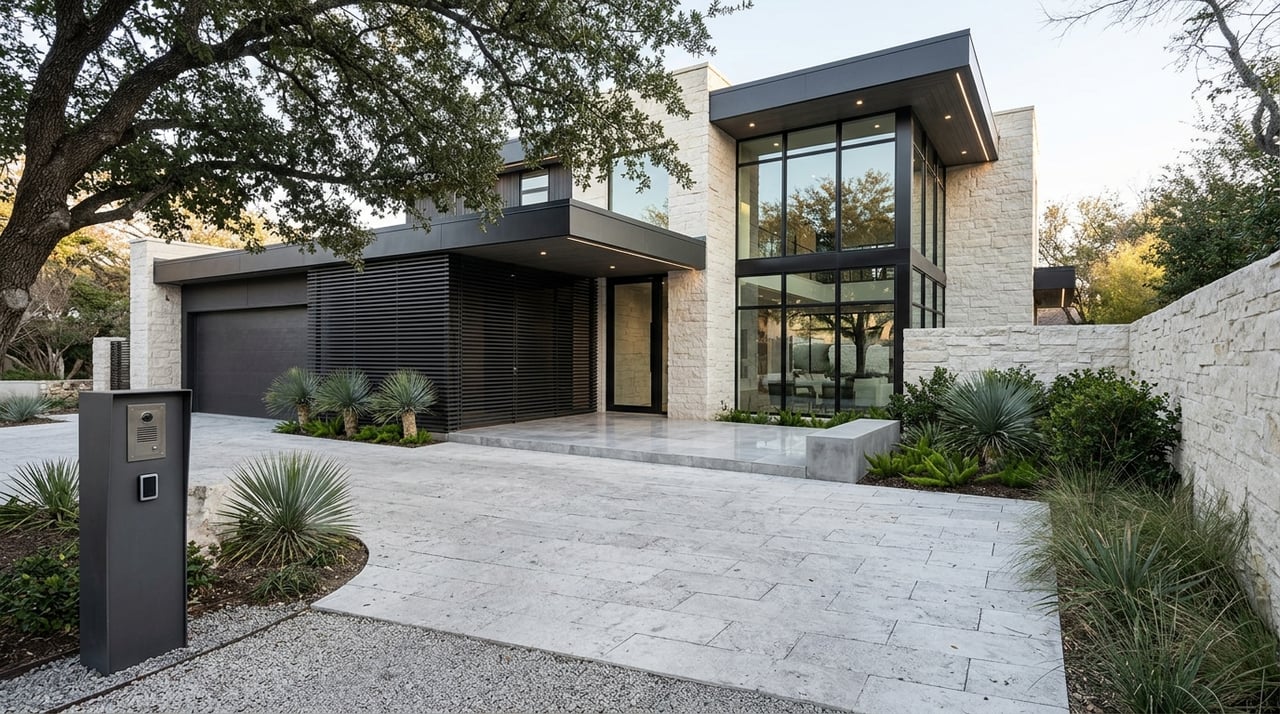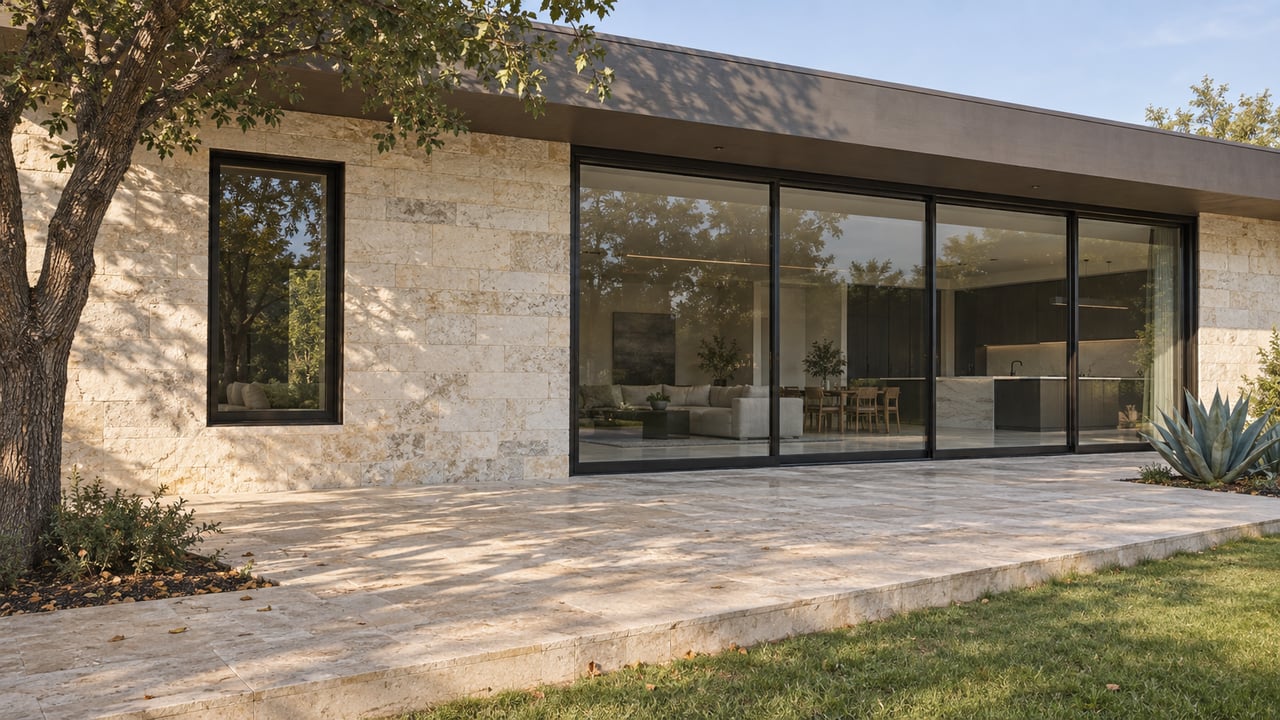
In its June report, MySA quoted developer Kevin Estajlou describing his plans for a tired stretch of retail on Harry Wurzbach Road: "It's a facelift, but it's going to look very modern." If you live in Terrell Hills, you've probably driven past the building he's talking about a hundred times without giving it a second look. The Harry Wurzbach renovation and a separate project on Broadway are on opposite edges of this 1.6-square-mile city.
The Building That's Changing, and the Restaurant That Isn't
The eastern edge of Terrell Hills, where it runs up against Wilshire Terrace along Harry Wurzbach Road, has never matched the rest of the neighborhood. Aging strip retail sits next to newer apartment construction, and the whole corridor has functioned for years as a quiet haven for Asian restaurants tucked into buildings that hadn't been touched in decades. One of those restaurants is Koreana, a Korean spot that's operated on Harry Wurzbach for more than 25 years and now belongs to owner Mira Kim, who took it over after a career running nail salons in Pennsylvania.
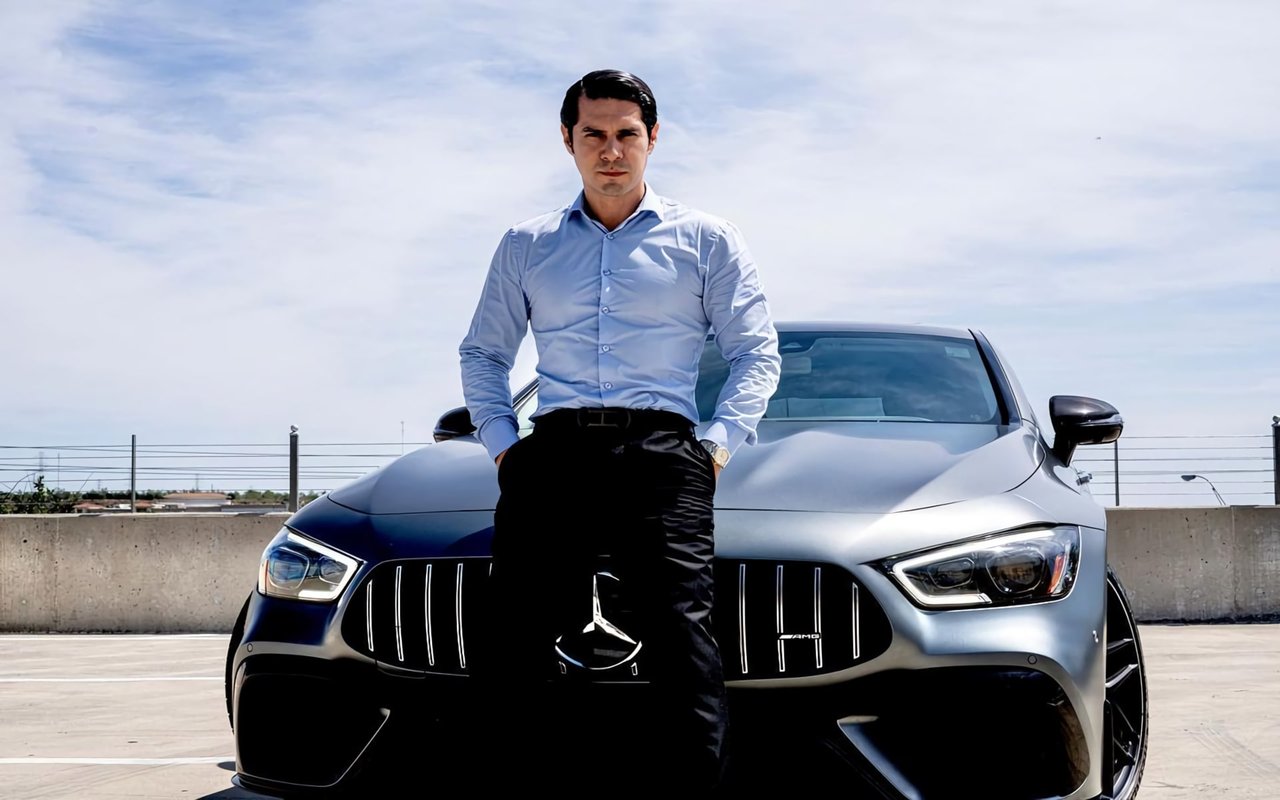
Estajlou, a real estate investor who says he regularly buys aging shopping centers to revitalize them, acquired the Koreana building along with nine neighboring commercial units earlier this year. He was clear with Kim, and Kim was clear with reporters, that Koreana isn't going anywhere. The rest of the building is a different story. Estajlou has floated a medical lease, a nail shop, grab-and-go food service, and general retail as possibilities, but he's told MySA that the real decision hinges on whoever signs first, since that tenant will effectively set the tone for everyone who leases space after them. As of his June comments, construction on the shell itself was expected to wrap within weeks, which means the exterior work has likely been sitting finished for a while now, with the actual mix of new tenants still shaking out lease by lease.
If you eat at Koreana, the parking lot outside it may look different by the time you go back this fall. What goes into the spaces next door will depend on who applies first, not on any master plan the developer has already committed to.
A Different Project, Funded a Different Way
While that's unfolding on the neighborhood's eastern flank, the Terrell Hills City Council was working on something else entirely. In April 2026, the council unanimously approved a $2.4 million beautification project for Broadway Street, funded and directed by the city itself rather than a private buyer. The scope includes wider pedestrian walkways, heritage oak trees, and custom lighting fixtures along the corridor.
The contrast with Harry Wurzbach is direct. One project is a private renovation of commercial space. The other is public money, approved by elected officials, going toward trees and sidewalks with no tenant mix to negotiate and no rent roll to worry about. Nobody's deciding what goes into a Broadway storefront because Broadway in Terrell Hills isn't a retail strip. It's a residential corridor, and the money is going toward making it more walkable and more shaded, not more commercial.
You won't find a construction timeline for the Broadway work the way you can for the Harry Wurzbach shell, because a streetscape project moves on the city's schedule, not a developer's leasing calendar. What you can say with confidence is that the political will was there. A unanimous vote on a $2.4 million line item is not a project that got tabled or watered down in negotiation.
Two Investments, Same Season, No Overlap
Line these two projects up next to each other and a pattern shows up that neither headline captures on its own. Both are happening on the literal boundary of the city, not in its interior. Harry Wurzbach marks the eastern edge, where Terrell Hills borders Wilshire Terrace and the retail corridor that's always felt more like unincorporated San Antonio than the tree-lined streets a block away. Broadway sits on the other side, functioning as the route that ties the neighborhood back to Alamo Heights and downtown. Neither project touches the single-family core in between.
Terrell Hills incorporated in 1939 and blocked an annexation attempt in 1945. It is a self-governed city of 1.6 square miles with its own police and fire departments. The two projects described here are on opposite edges of Terrell Hills.
The interior streets, the ones where the houses are, already have a mature tree canopy and a settled character. This summer's Fourth of July parade and block party lined up down Ivy Lane the same way it always has, with Eldon and Geneseo blocked off for the afternoon exactly like previous years. The parade and block party, by contrast, are part of the neighborhood’s interior life.
What This Actually Means If You're Driving Through Right Now
If your daily route includes Harry Wurzbach, expect the building lineup near Koreana to keep shifting through the rest of the year as leases get signed one at a time rather than all at once. If your route runs down Broadway instead, expect construction crews working on curbs, lighting fixtures, and tree wells at some point following the April approval, on a timeline that's the city's to set rather than a private developer's.
Neither project changes what it feels like to live on the interior streets of Terrell Hills day to day. It's a useful thing to notice next time someone tells you a neighborhood is "changing." Sometimes it's not the whole place. Sometimes it's specifically the two streets that touch everywhere else.
If you're curious about how either of these corridors could shape values or day-to-day life on a specific block in Terrell Hills, Ignite International Group keeps a close eye on both sides of the neighborhood and is happy to walk through what it means for your particular street.