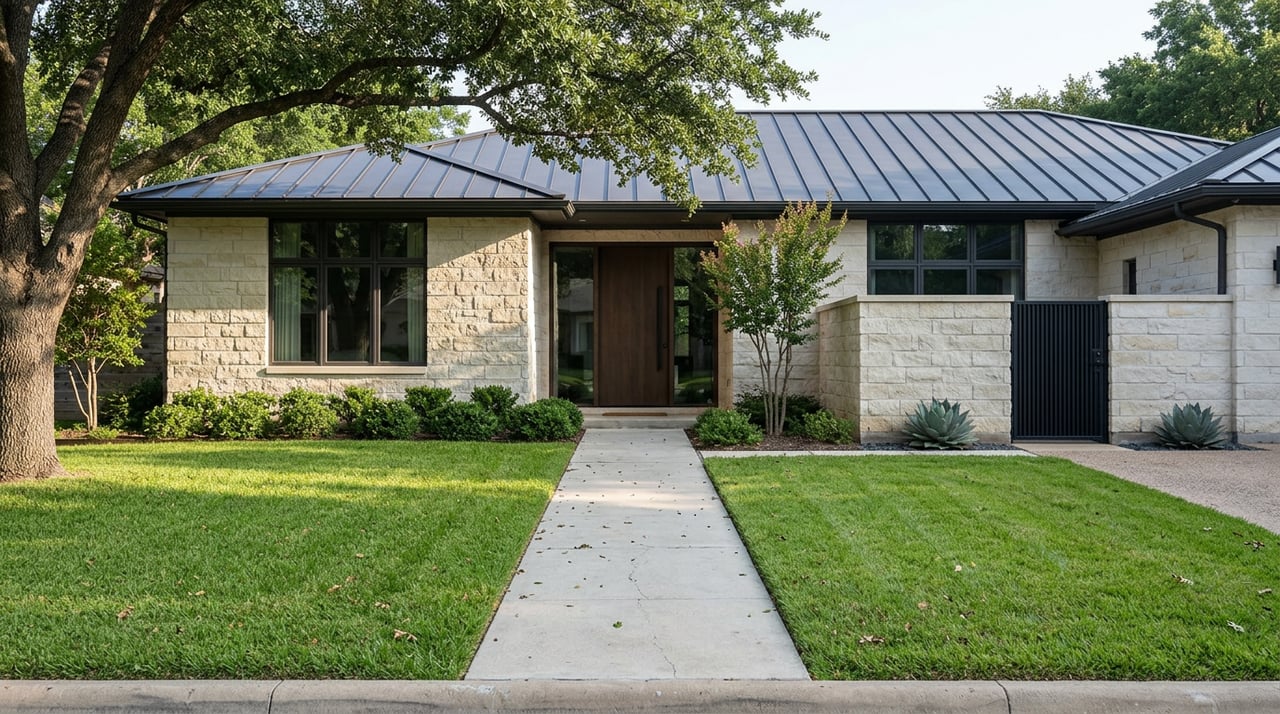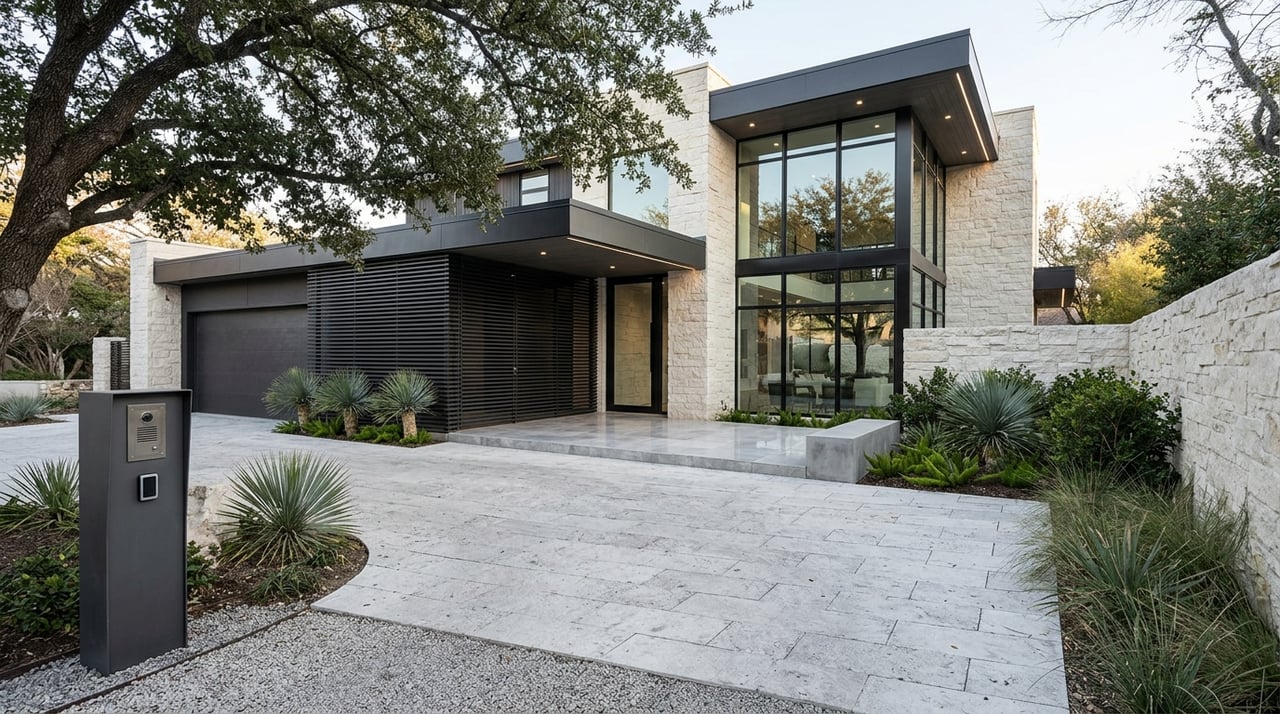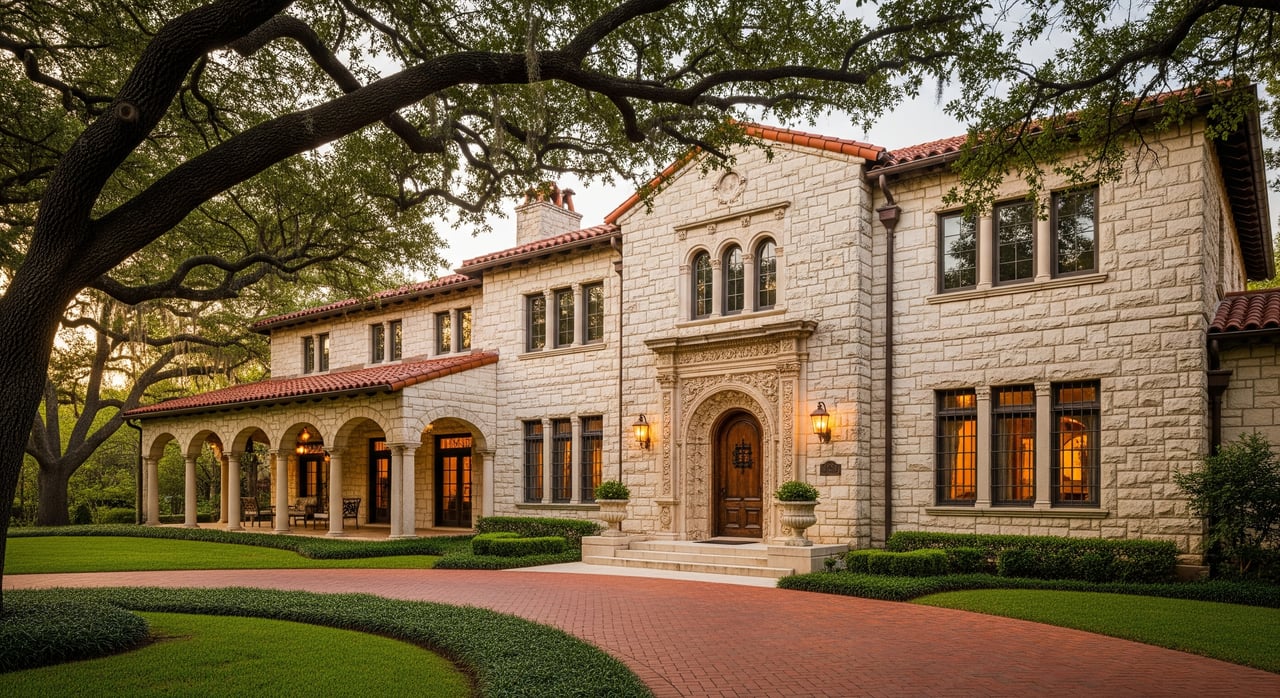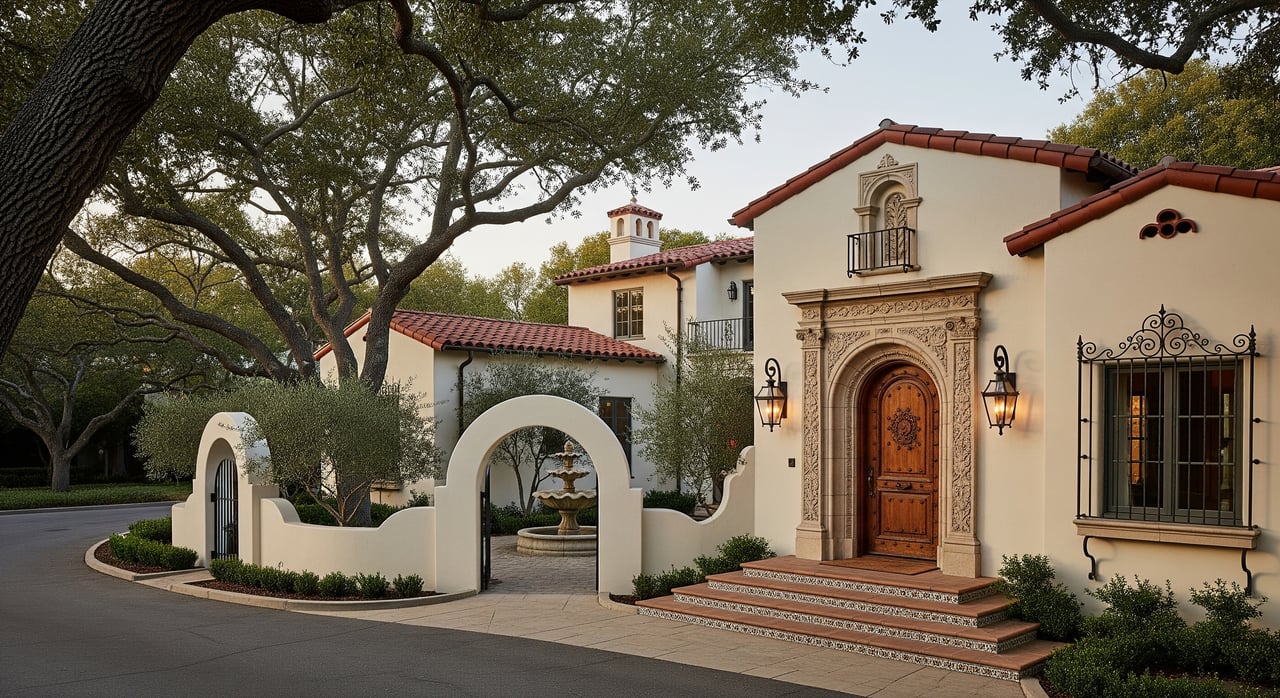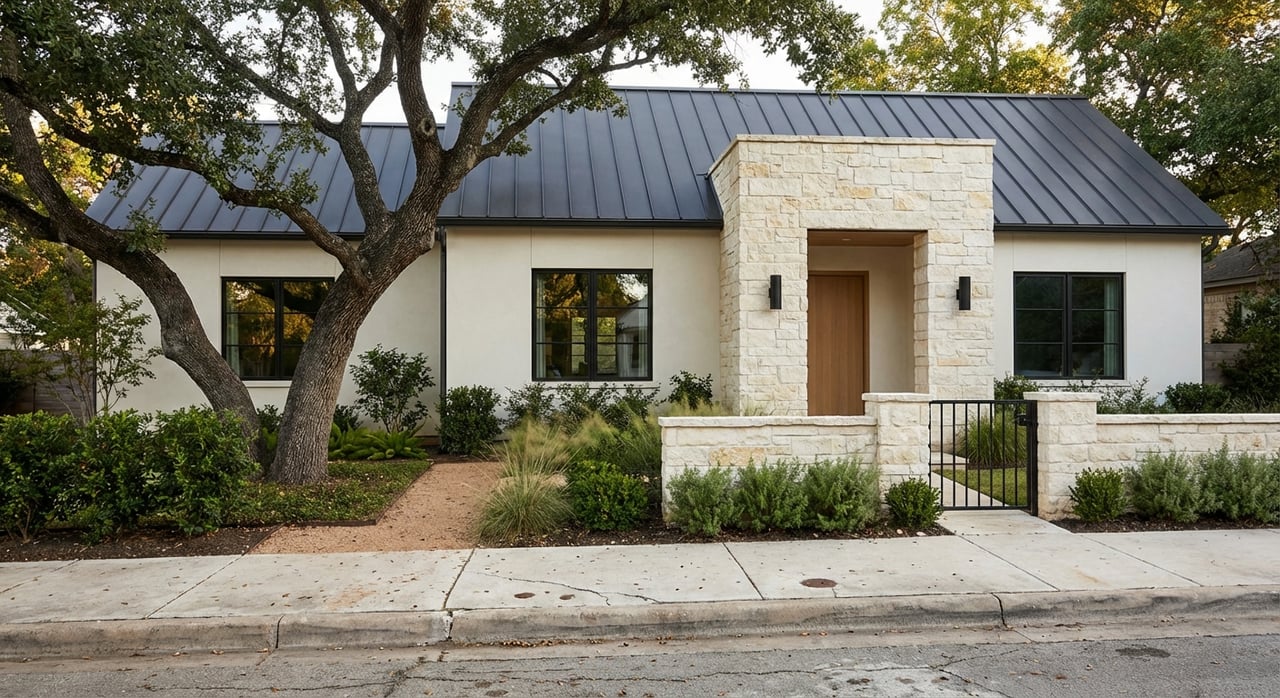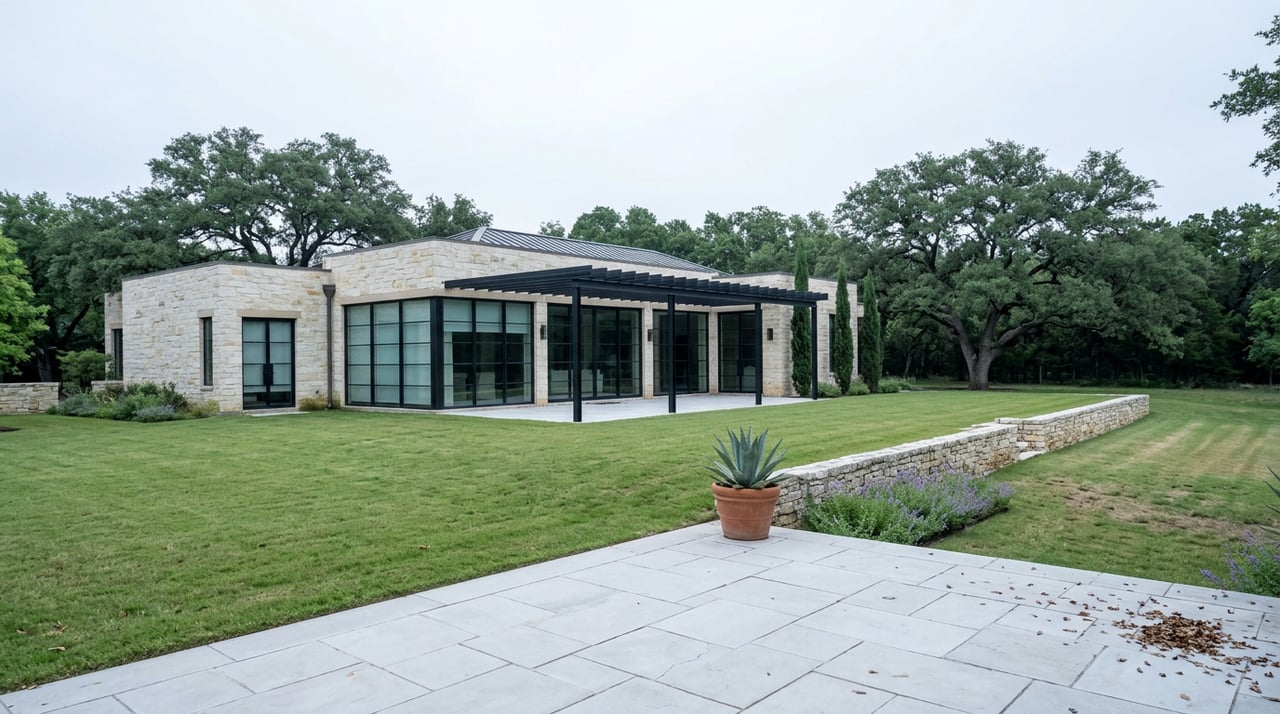
A buyer walks into closing on a golf-front estate in The Dominion having budgeted for a mortgage payment and an HOA line item around $295 a month. Then the settlement statement adds a $3,500 special assessment, a $300 transfer fee, and a resale certificate charge. Then, a few weeks later, they call the club to ask about a tee time and learn that membership is a separate application with its own initiation fee and dues, unrelated to anything they just paid the association. Nobody lied to them. Nobody hid anything. They simply read the HOA numbers and assumed that was the whole story.
It isn't. The Dominion runs on two parallel systems that rarely appear on the same page: a mandatory homeowners association that governs security, roads, and architecture, and an entirely optional country club that governs golf, tennis, and dining. Understanding where one system ends and the other begins is the difference between pricing a Dominion purchase correctly and getting surprised at the closing table.
The Fee Schedule Everyone Reads, and the One They Don't
The Dominion Homeowners Association publishes a General Fee Schedule that took effect January 1, 2026, and it is the document most buyers actually read before making an offer. It covers the monthly assessment, currently around $295, which funds 24/7 gate staffing, common-area landscaping, road maintenance, and the reserve fund. It also lists the one-time costs a buyer pays at closing: a $3,500 purchaser special assessment, a $300 transfer fee, and a resale certificate that runs $300 standard or $375 for a rush order.
None of that touches the country club. The Dominion's HOA is explicit about this on its own FAQ page: HOA dues do not include Country Club membership. The club's own membership page lays out categories that have nothing to do with HOA rules at all, including a full golf tier, a reduced tier for members and spouses 39 and under that converts to full dues the month either partner turns 39, and a non-resident tier reserved for buyers who live more than 50 miles from the club. These are two separate contracts, two separate billing relationships, and two separate sets of rules, and only one of them shows up in the HOA's fee schedule.
The Premium You're Paying For Isn't Membership
Golf-front lots in The Dominion command a real premium over comparable interior lots, and buyers often talk about that premium as though it buys them the golf course. It doesn't. It buys the view and the address. Access to the course, the tennis courts, the fitness center, and the dining room requires the separate club application described above, regardless of whether the back of the house looks out over the fairway or a greenbelt.
This distinction matters more now than it did a year ago. The Dominion Country Club, operated by Arcis Golf, completed a multi-million-dollar renovation in 2025 that added a new main dining space called the Copper Room, resurfaced all eight tennis courts, added pickleball amenities, and refreshed the pool area, according to reporting from Community Impact. Arcis Golf's own announcement frames the project as a reinvestment in member dining and social space rather than the golf course itself, which tracks with what buyers should take away from it: the club just got more valuable if you join it, and no more automatically included if you don't. A golf-front lot without a membership gets you a nicer backyard. It does not get you a table in the Copper Room.
Why the Rules Have Teeth
The HOA's authority over architecture and rentals is where The Dominion's cost structure starts to look less like paperwork and more like a design choice. Any exterior change to a home requires Architectural Control Committee approval, and the penalties for skipping that step are specific: a $5,000 charge for commencing construction before approval, plus $250 per day for site-maintenance violations. That is not a vague "please submit your plans" policy. It is an enforced cost that a buyer planning a pool, a fence, or an addition needs to budget into the timeline before closing, not after.
The same HOA restricts rentals to a six-month minimum lease and prohibits listing homes on short-term rental platforms, a rule stated plainly on the association's FAQ page. That single rule quietly explains something buyers often read as a red flag: as of early 2026, days on market in The Dominion typically ran 75 to 100 days, longer than San Antonio's broader luxury tier. That is not softness in demand. It is the natural result of an HOA that has engineered out the investor and short-term-rental buyer pool by contract. What is left is a buyer pool that intends to actually live in the home, which is a narrower market by design and a slower one by consequence, not a distressed one.
New Construction Math: Dominion 70' Versus Resale
Perry Homes is currently building in a section of the community called The Dominion 70', offering new construction from roughly 3,100 to more than 4,700 square feet with four to five bedrooms. As of early 2026, pricing on these homes started in the low $1.16 million range for buildable plans and ran toward $1.43 million or higher for quick move-in inventory. That sits meaningfully above the trailing 12-month resale median in The Dominion, which stood near $960,000 as of early 2026, with typical home values climbing to roughly $1.04 million over that same window.
The gap between new construction pricing and the resale median is not just square footage. A Dominion 70' buyer is paying for a home that has already cleared the ACC review process as part of its original approval, arrives with a builder warranty, and carries none of the renovation history that resale buyers inherit sight unseen. A resale buyer at the median price point is often getting more land and an established setting, but every future modification runs back through the same ACC process, with the same $5,000 and $250-a-day exposure for anyone who skips it. Neither path is automatically the better deal. They are different bets on where the money goes: paid up front to a builder, or held in reserve for whatever the next owner decides to change.
What to Confirm Before You Write an Offer
- Request the current HOA fee schedule directly and confirm the monthly assessment, the purchaser special assessment, and the transfer fee in writing rather than relying on a listing sheet.
- Contact the Dominion Country Club membership office separately for current initiation fees, dues tiers, and any waitlist, since this is not disclosed through the HOA and can change independently of it.
- If the lot carries a golf-front premium, decide whether club access is part of your plan before you pay for the view. The premium and the membership are two different purchases.
- Before planning any exterior renovation, addition, or landscaping change, submit plans to the Architectural Control Committee first. The penalty structure assumes you asked.
- If a rental strategy is part of your long-term plan, confirm the six-month minimum lease and short-term rental prohibition apply to your specific section, since this materially limits flexibility compared to non-restricted San Antonio neighborhoods.
Frequently Asked Questions
Is Country Club membership required to buy a home in The Dominion? No. Membership is optional and governed entirely by the club, separate from HOA dues, regardless of whether the home sits on the golf course.
Can I rent out a home I buy in The Dominion? Long-term leasing is permitted with a six-month minimum term. Short-term rentals through platforms like Airbnb or VRBO are not allowed under current HOA policy.
Why do homes in The Dominion tend to sit on the market longer than other San Antonio luxury neighborhoods? The combination of price point above $700,000 and rental restrictions narrows the buyer pool to those planning to occupy the home long term, which tends to lengthen typical marketing time without indicating weak demand.
Does buying new construction in Dominion 70' avoid the ACC approval process? The initial build is approved as part of the original plan, but any future changes, additions, or landscaping work still require separate ACC review like any other home in the community.
Every one of these numbers changes the math on a Dominion purchase, and the fee schedules, club tiers, and ACC rules shift often enough that what applied last year may not apply to your contract. If you are pricing out a purchase or a sale in The Dominion and want someone who reads these documents for a living, Ignite International Group can walk you through the current numbers before you write an offer. Book an appointment and let's get the math right the first time.