Wondering whether a historic home or a new build makes more sense in Alamo Heights? It is a smart question, because in this part of Bexar County, your decision is about more than square footage or finishes. You are choosing between two very different living experiences, each shaped by the area's streetscape, trees, and long-standing design standards. This guide will help you compare both paths with more clarity so you can move forward with confidence. Let’s dive in.
Why Alamo Heights Feels Different
Alamo Heights sits just about 4.5 miles north of downtown San Antonio, yet it has a distinct feel of its own. At roughly 2.1 square miles, it is compact, but its streets and homes create a layered look rather than a one-note one.
That character is not accidental. The city’s early development emphasized scenic views, mature trees, and a quieter environment. Street patterns followed the land’s contours, and local rules have long limited buildings to two stories while protecting open space, natural light, and greenery.
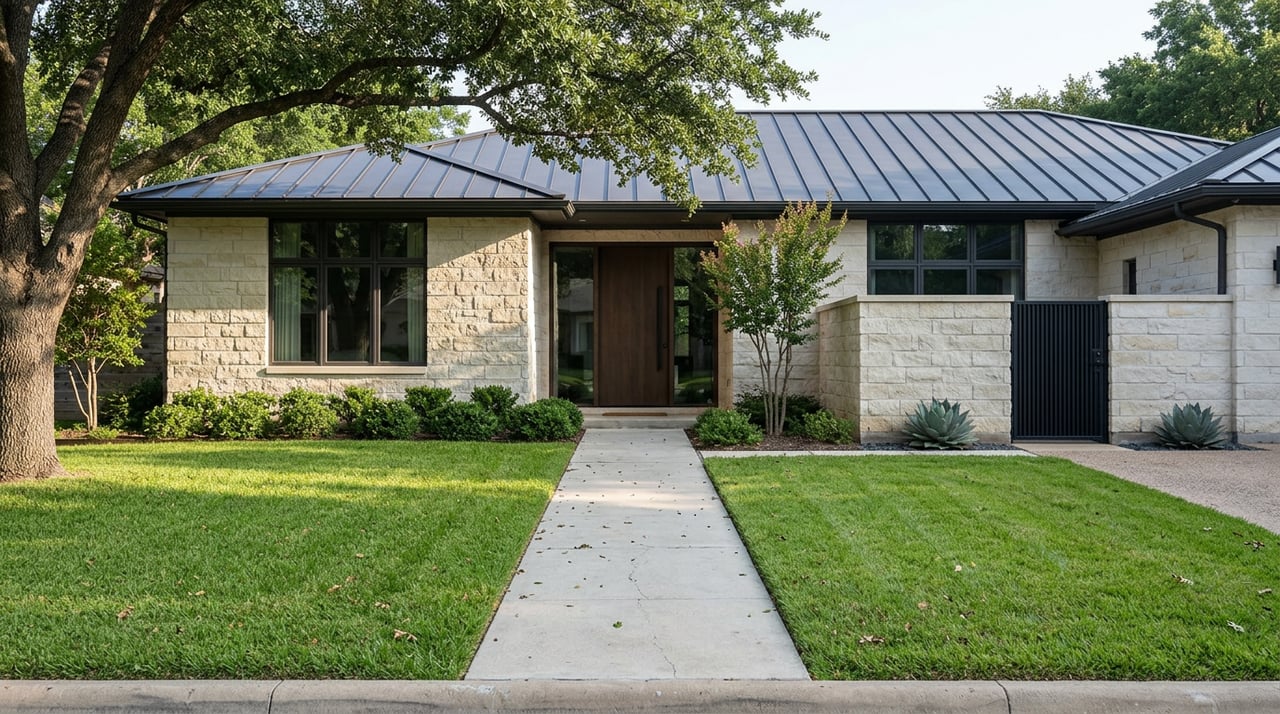
You can see that variety from one area to the next. Planning documents describe the Cottage District as having smaller one-story homes, Bluebonnet Hills as known for 1920s stone, brick, stucco, and wood-siding homes, and La Jara as having heavily wooded lots with substantial stone, brick, and stucco homes.
What Historic Homes Offer
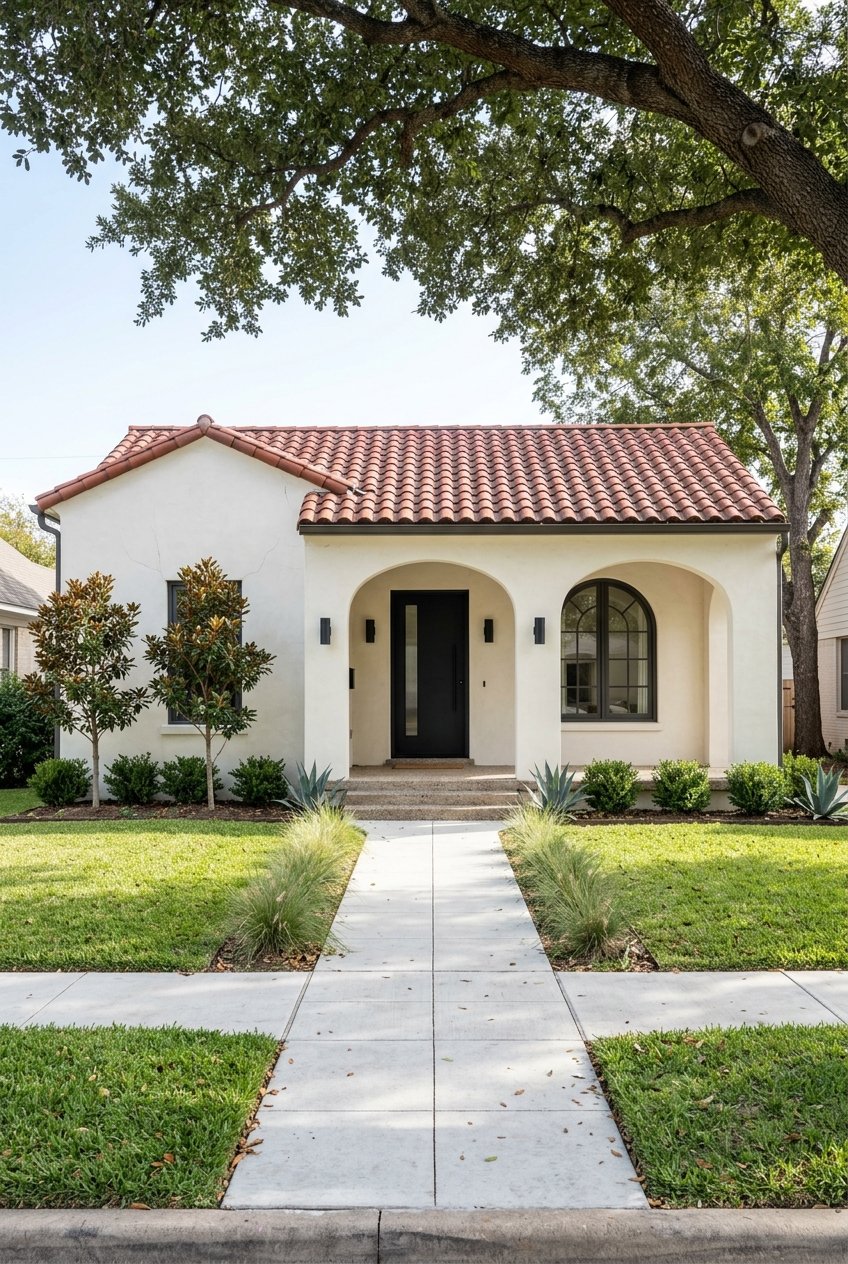
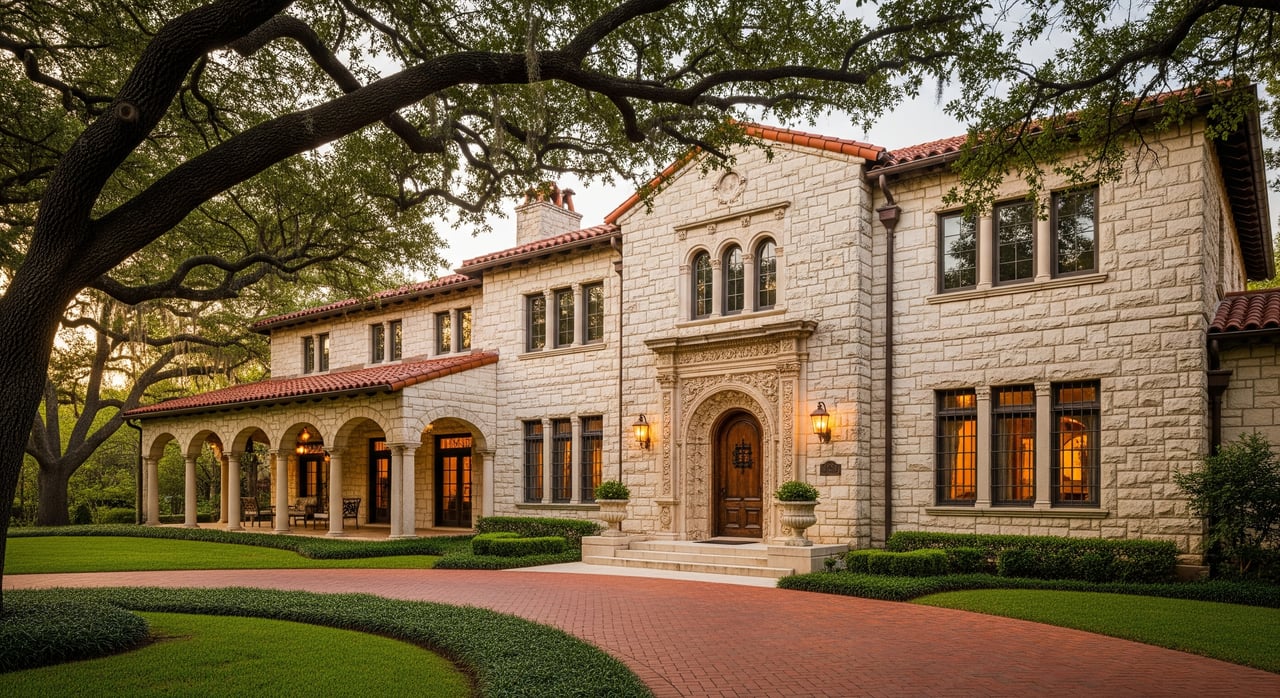
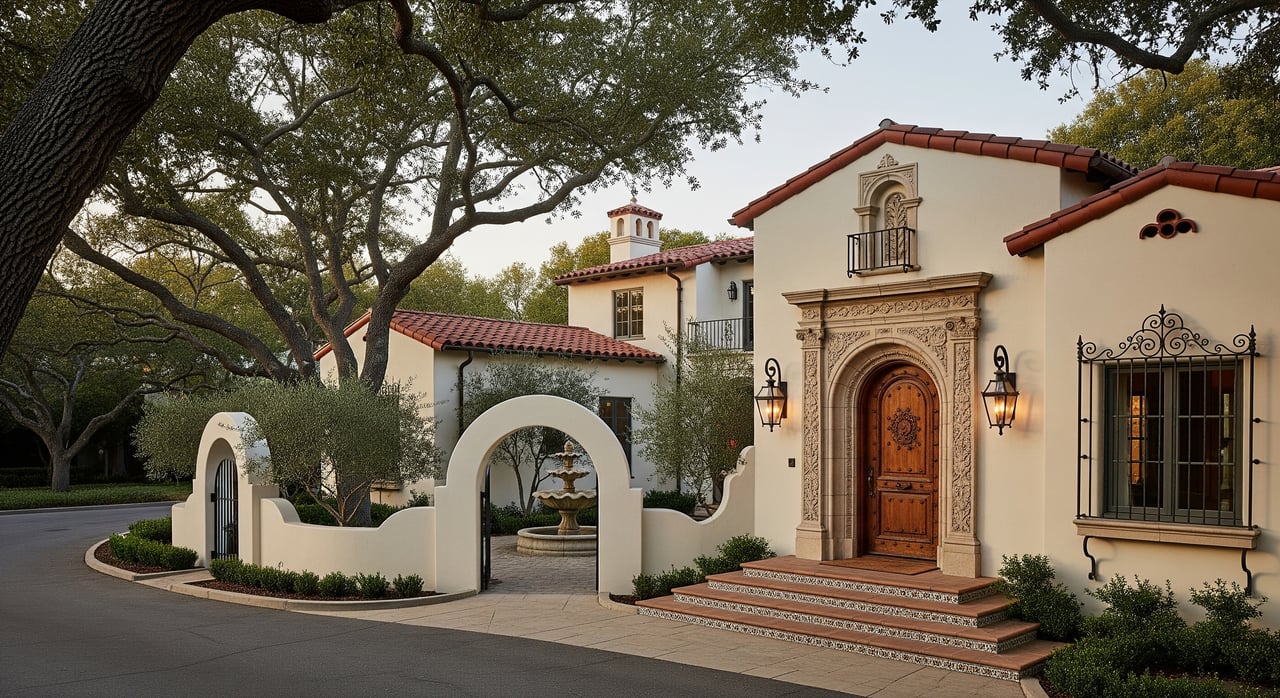
If you are drawn to homes with personality, historic properties often stand out right away. These homes are typically at least 50 years old, and they may include architectural details and craftsmanship that are hard to duplicate today.
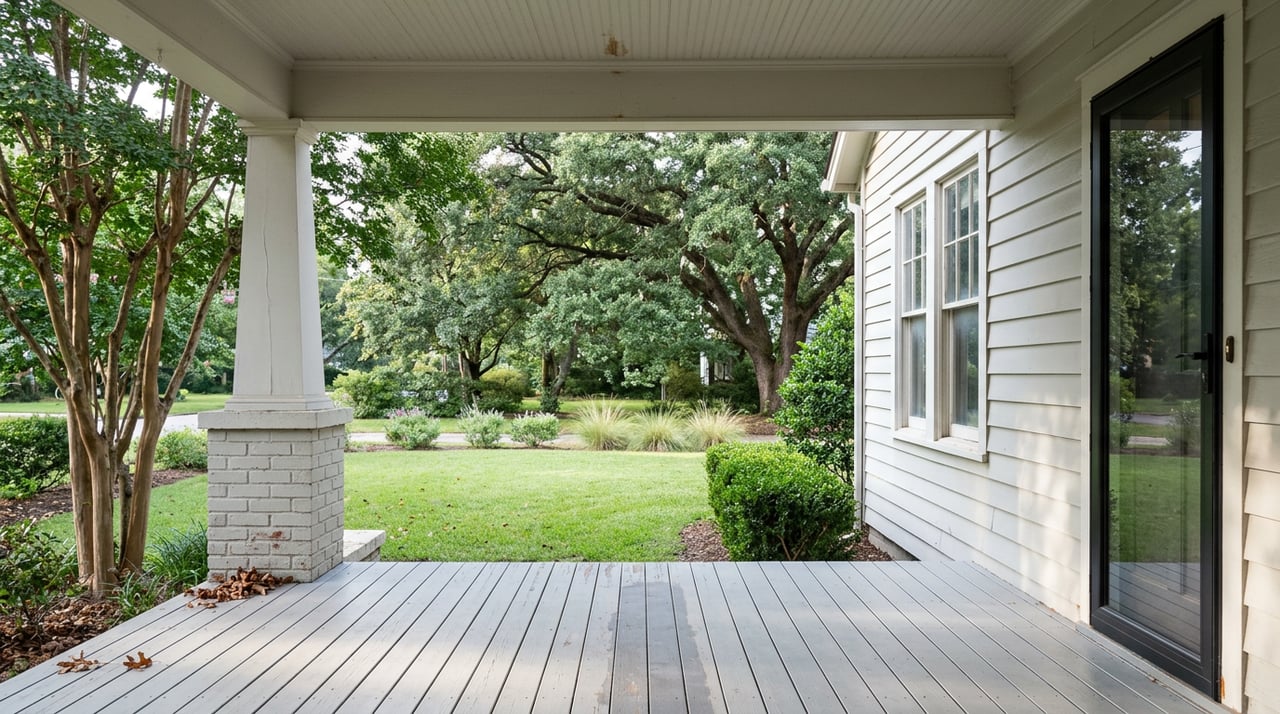
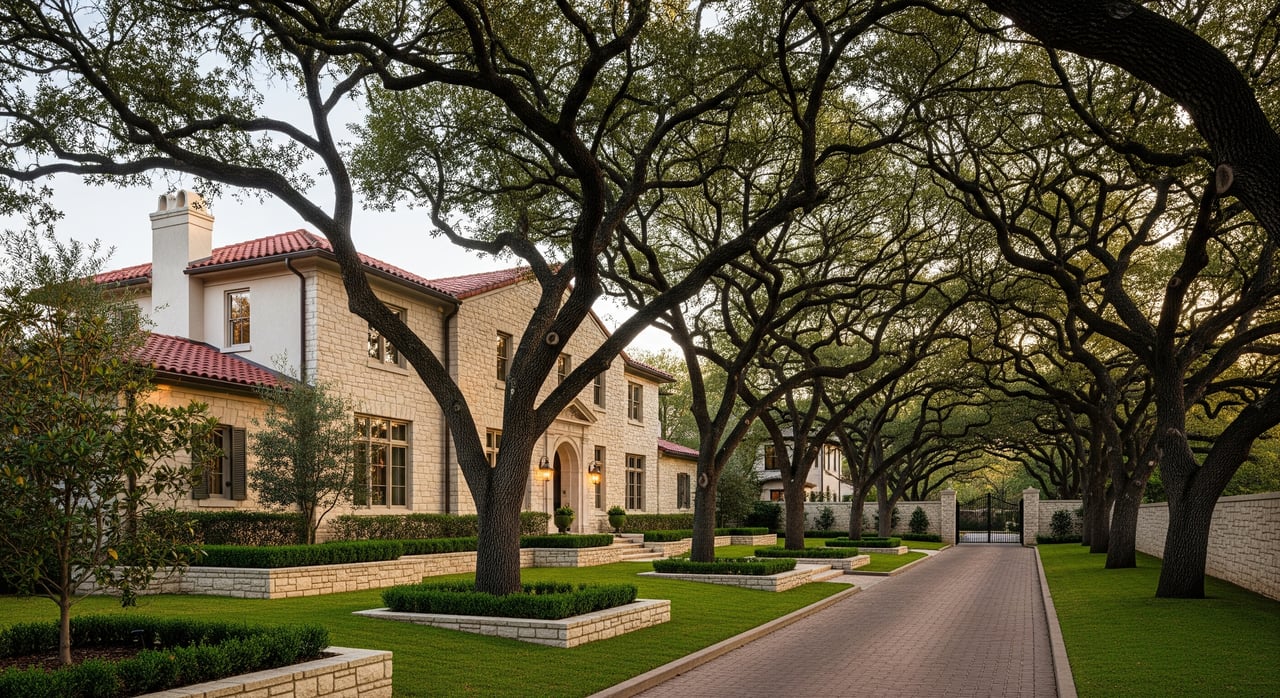
In Alamo Heights, that appeal often comes with mature landscaping and a strong sense of place. Older homes frequently sit beneath established tree canopies, which adds shade and visual depth to the streetscape.
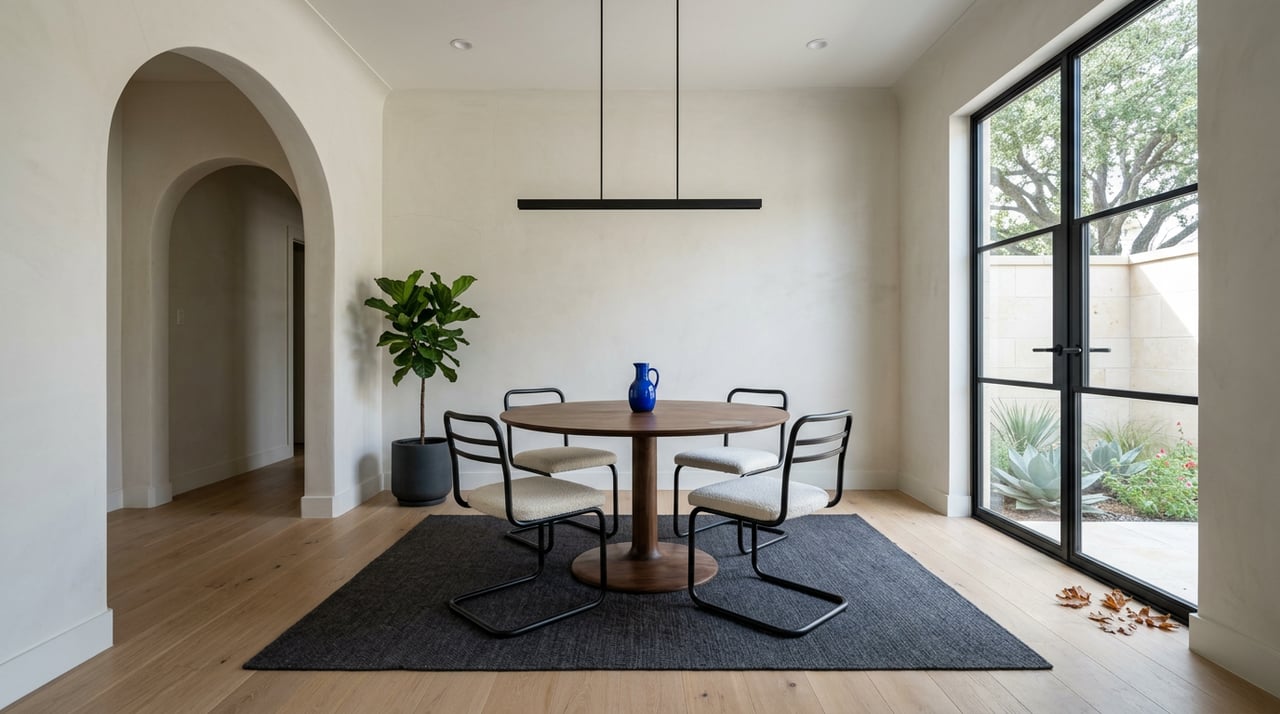
Historic homes can also offer a different kind of layout. While many buyers still want open gathering spaces, older floor plans often provide more defined rooms, which can work well if you value privacy, quiet work areas, or separation between living spaces.
Historic Home Advantages
- Distinct architectural character
- Mature trees and established lots
- Unique craftsmanship and materials
- Defined rooms that can support privacy and flexibility
- Scarcity that may help a home stand out to future buyers
What To Watch With Historic Homes
The charm of an older home usually comes with more responsibility. Maintenance is often the biggest tradeoff, especially when original systems or materials are still in place.
Common concerns in older homes can include outdated wiring, older plumbing, less efficient insulation, and aging foundations. If a home was built before 1978, lead-based paint may also be a factor, which means testing or lead-safe renovation practices may be important during updates.
In Alamo Heights, exterior upkeep can be more involved because of local tree protections. Tree trimming is regulated by the city, and heritage tree removal requires mitigation, so managing the lot may take more planning than it would in a newer subdivision.
If you buy a historic home and plan to improve it over time, keeping detailed records of repairs and maintenance can be helpful. That kind of documentation often supports compliance needs and can also help when it is time to sell.
Historic Home Tradeoffs
- Higher likelihood of ongoing maintenance
- Possible updates needed for electrical, plumbing, or insulation
- Renovation limits if a property is designated or otherwise protected
- Exterior work may be affected by tree regulations
- Layout may feel less open than newer homes
What New Builds Offer
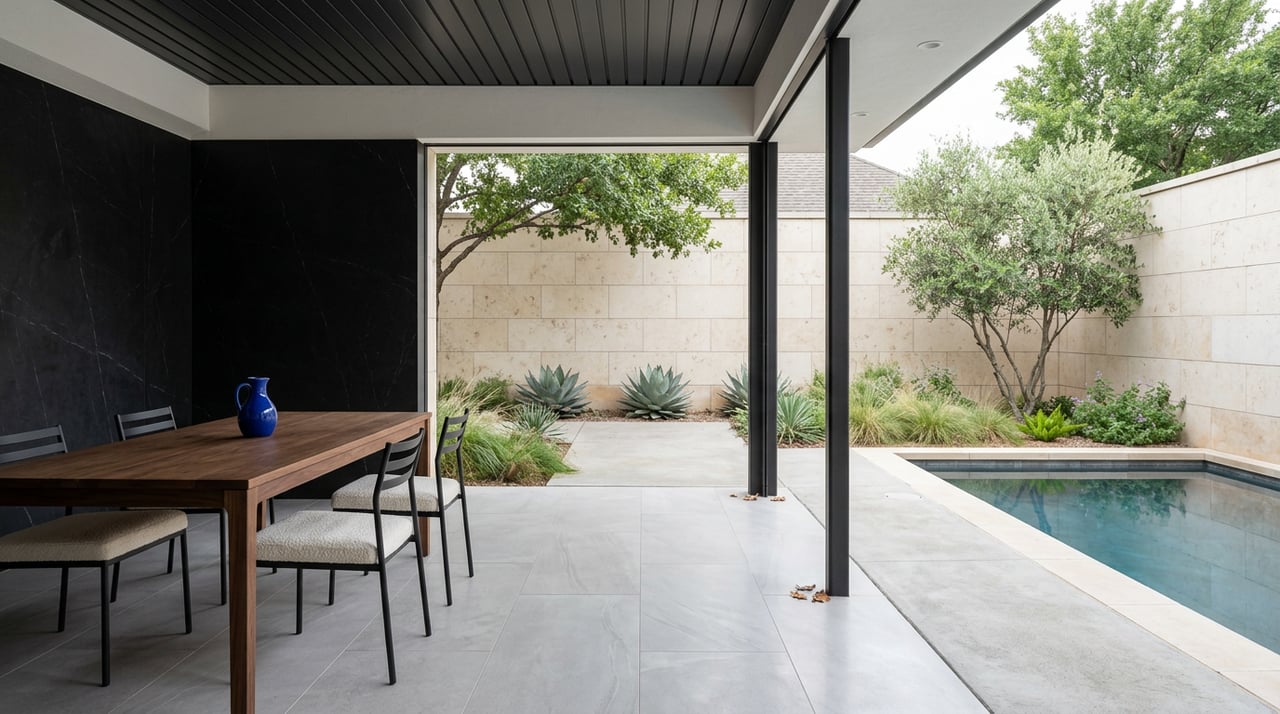
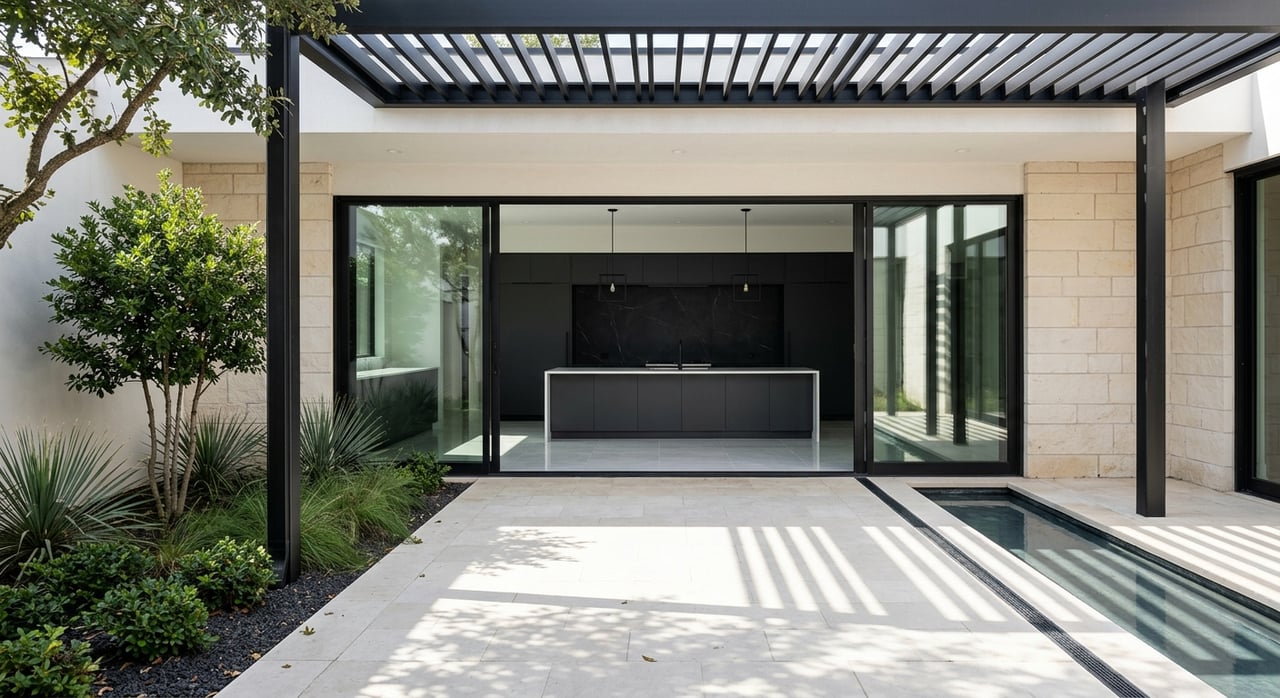
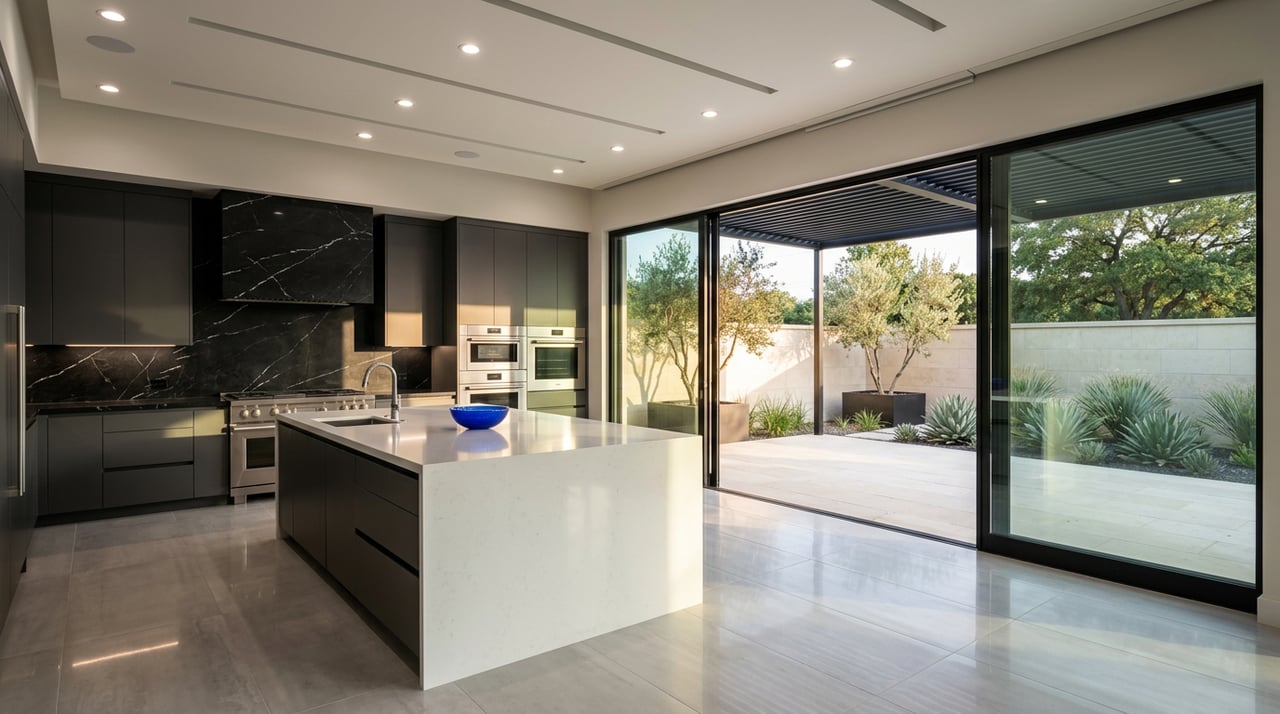
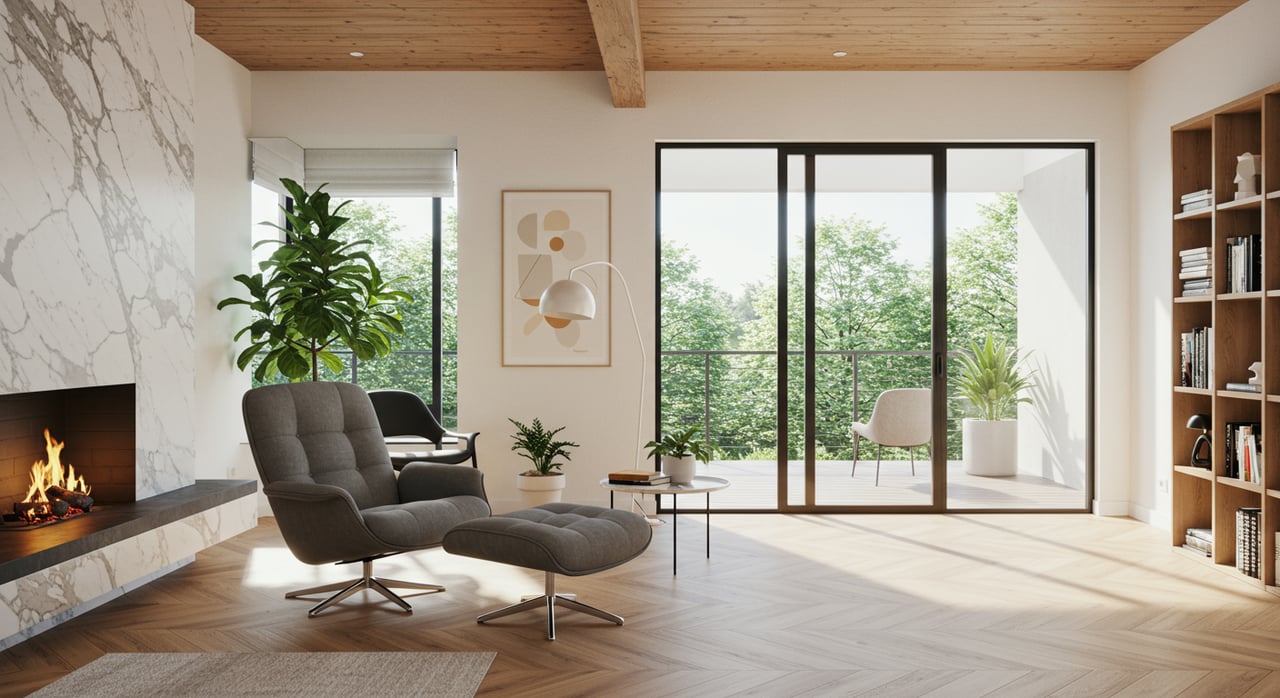
If your priority is convenience, a newer home may be the better fit. New construction often appeals to buyers who want modern layouts, updated systems, and a more move-in-ready experience from day one.
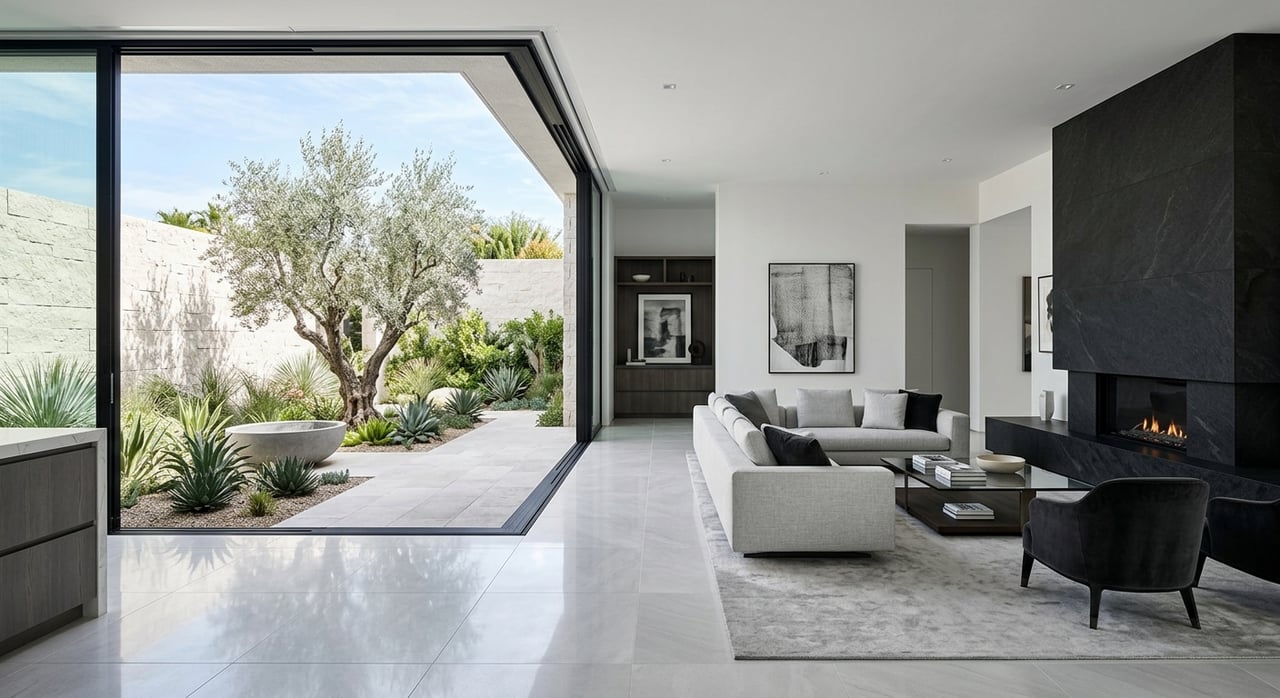
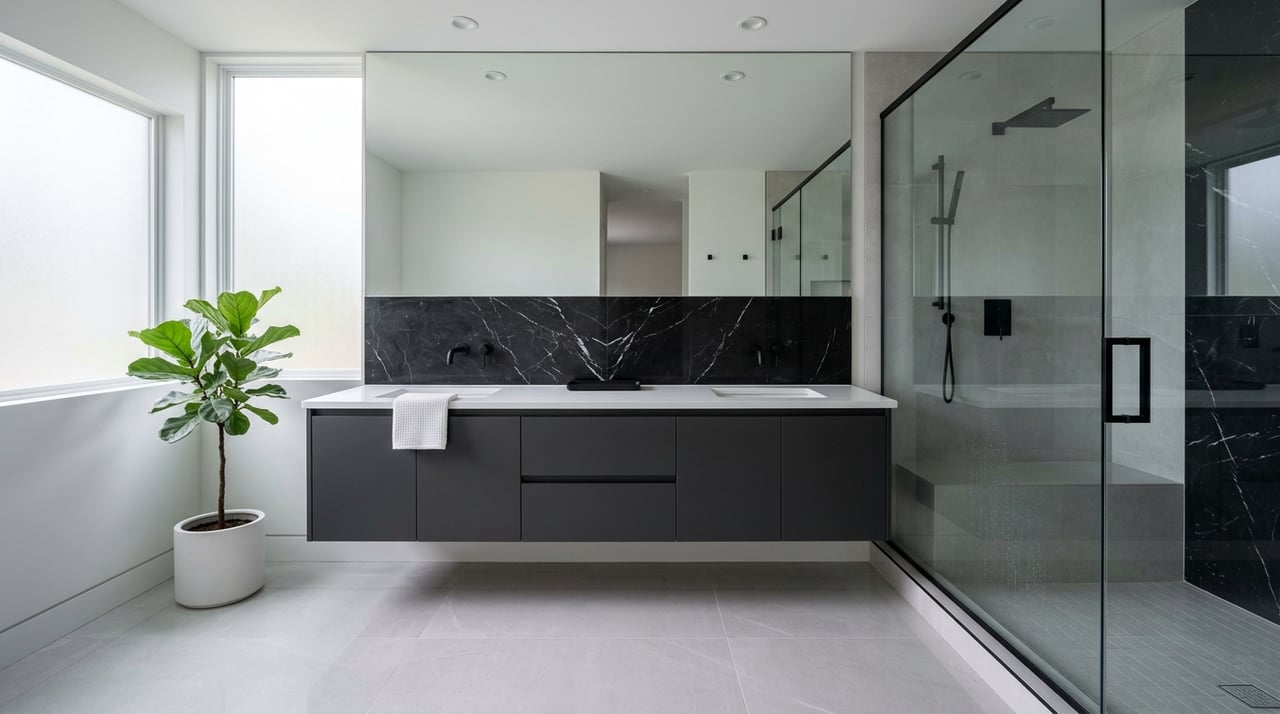
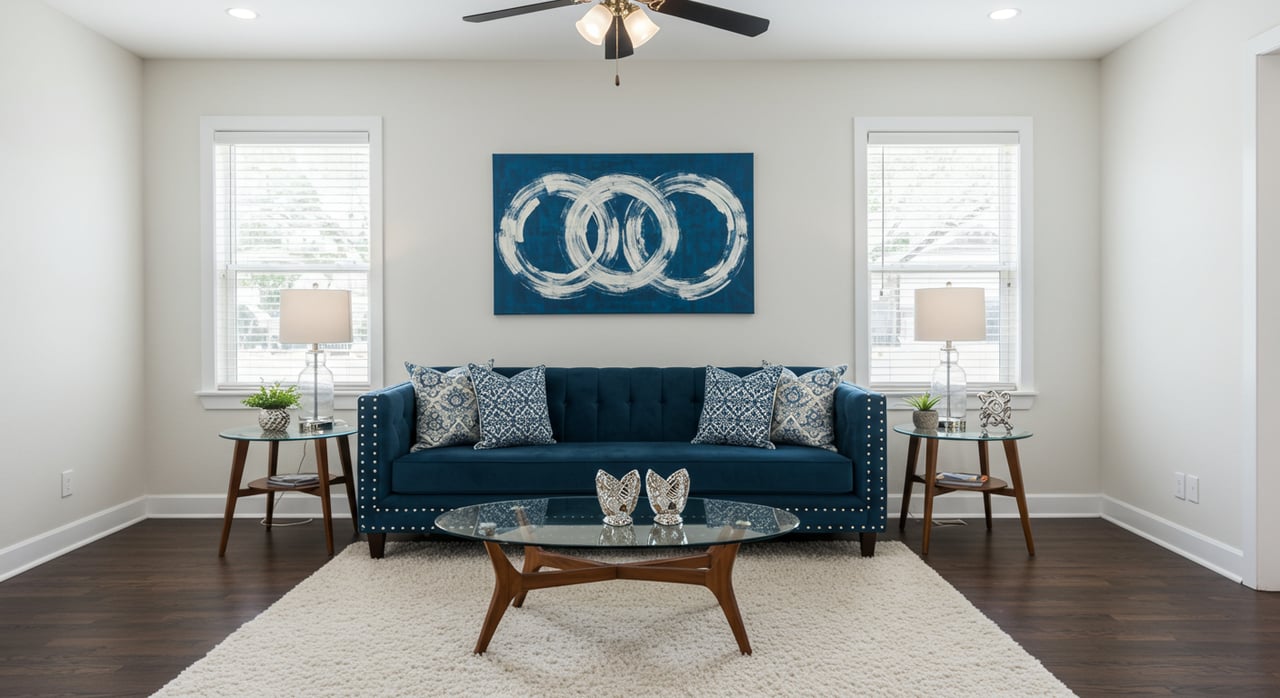
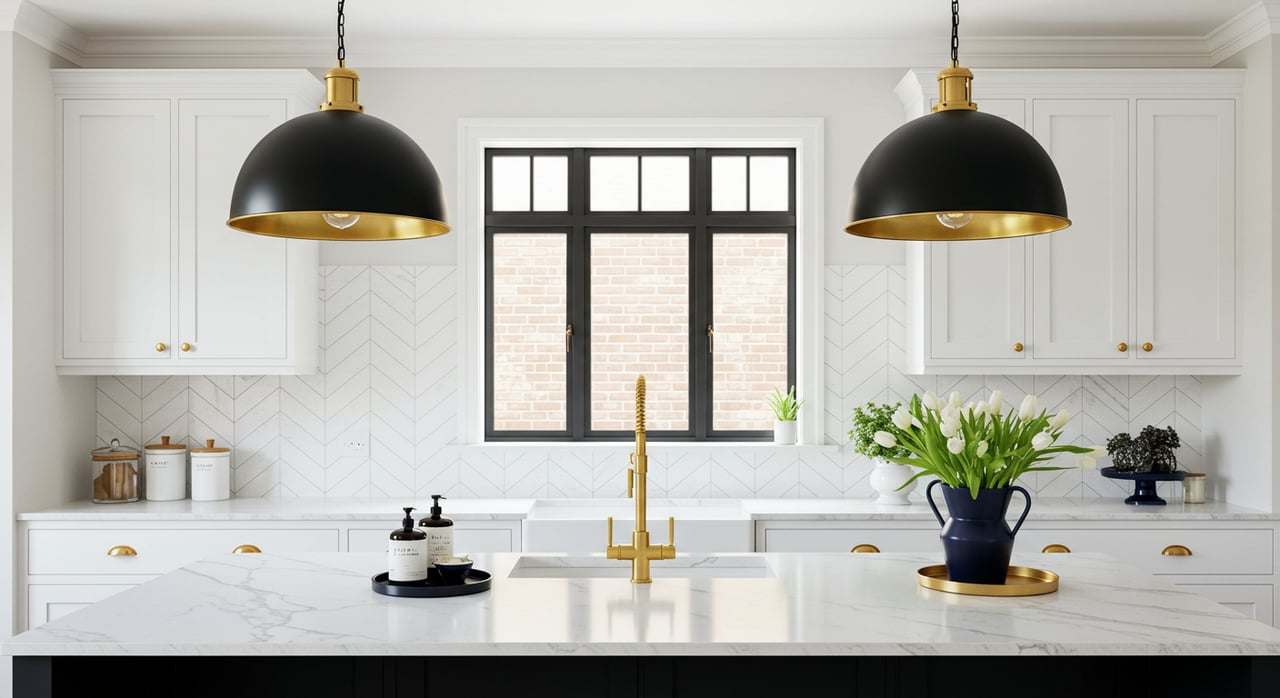
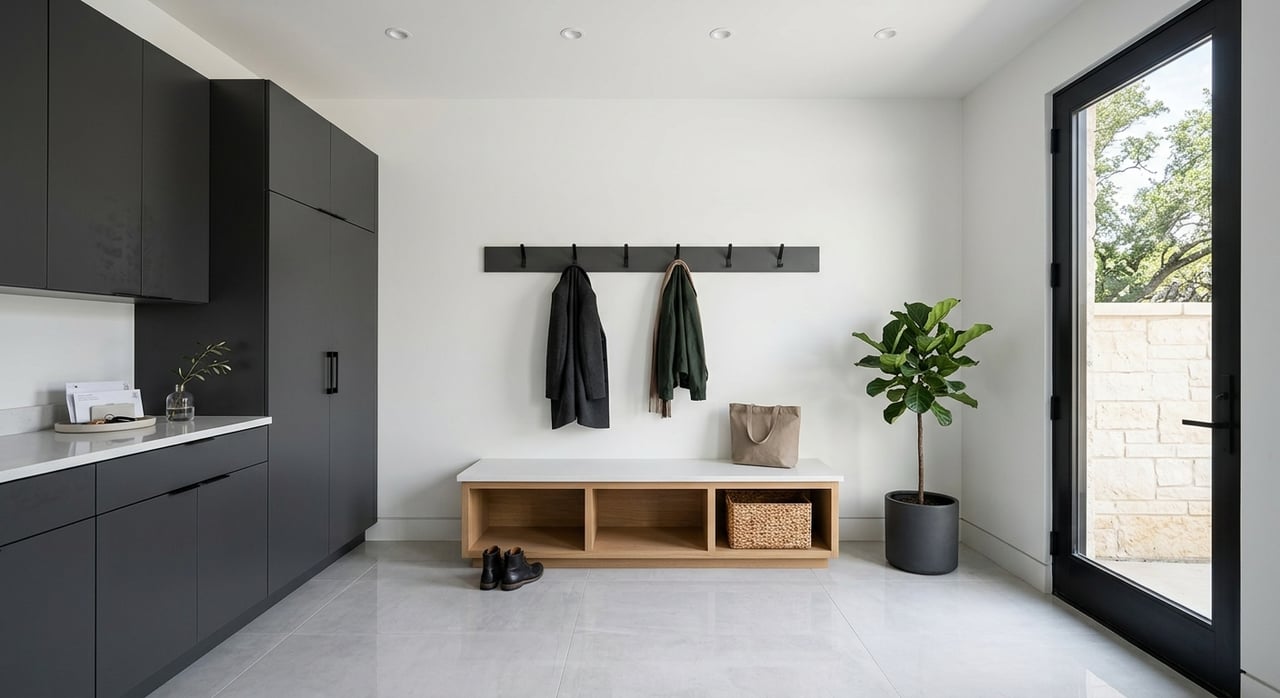
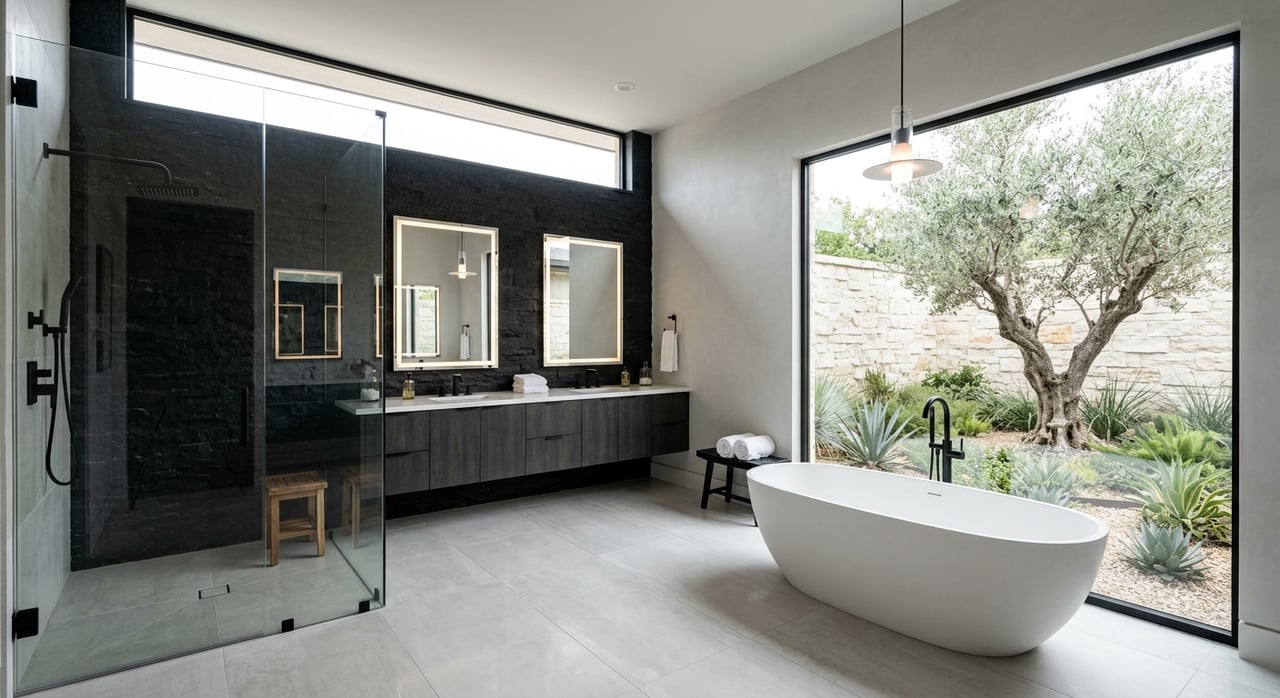
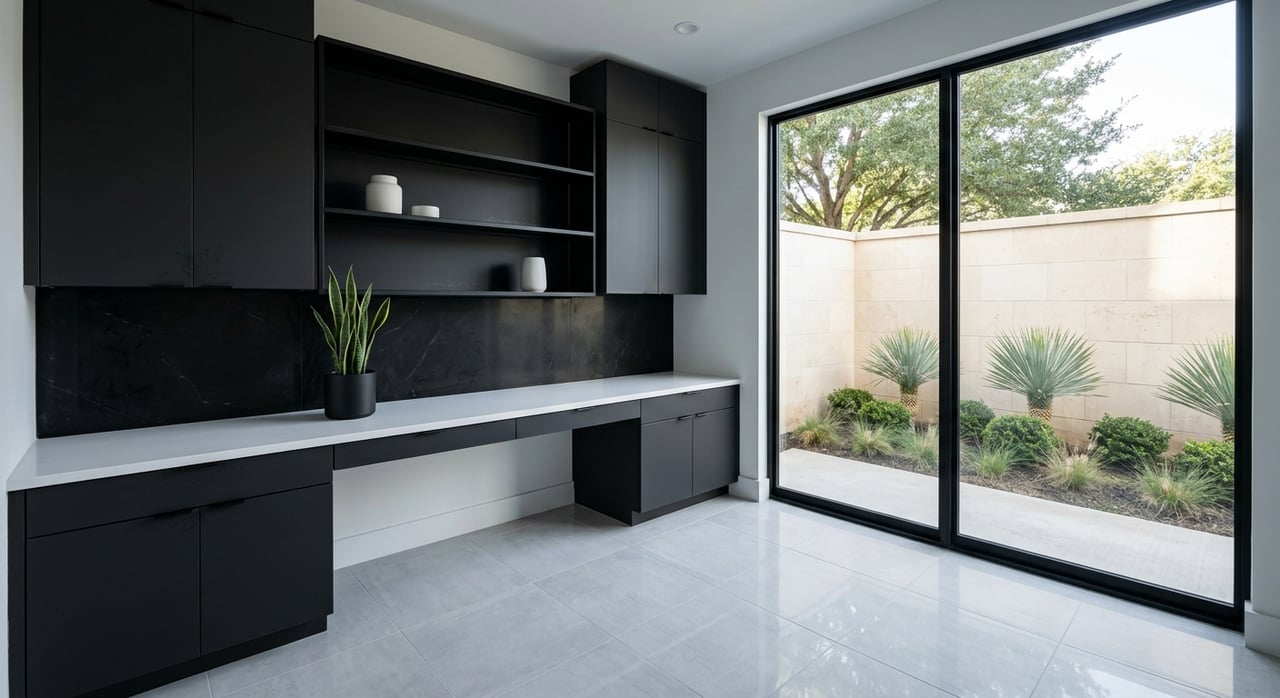
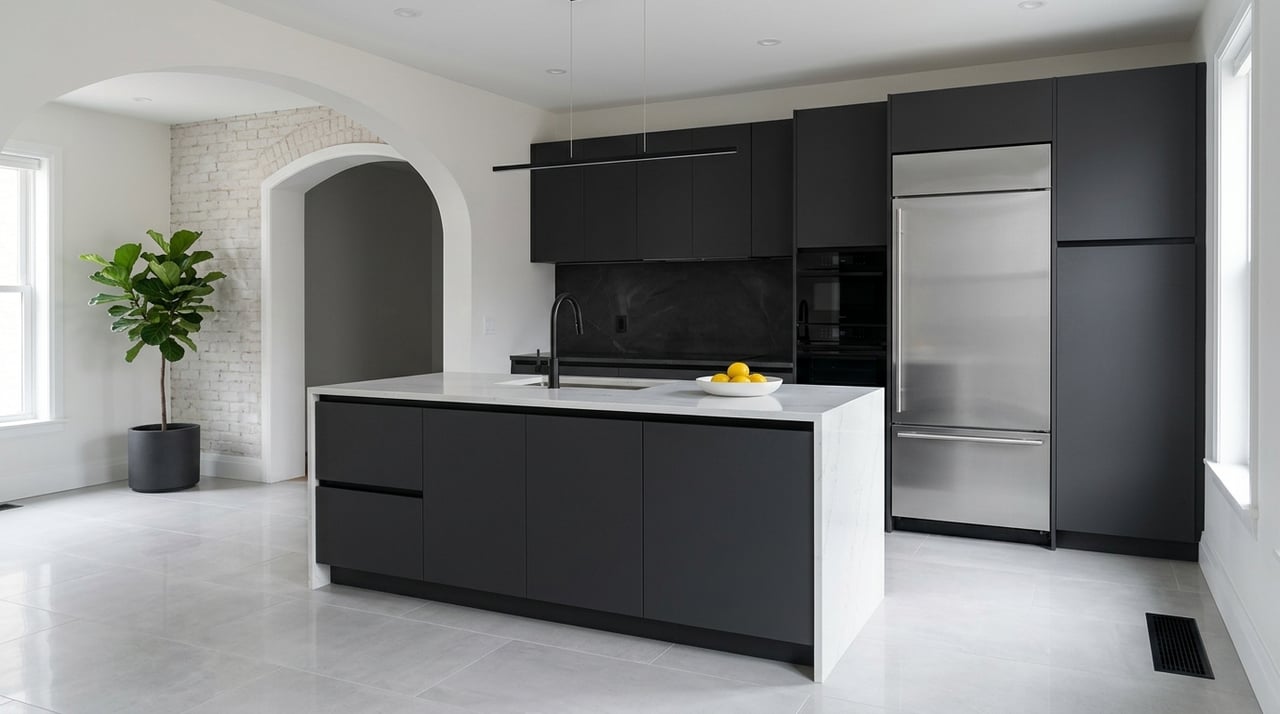
In practical terms, newer homes usually offer open gathering spaces, larger kitchens, and more closet storage. Many buyers also like the brighter feel, modern appliances, and room sizes that support current lifestyles.
Energy performance is often the clearest advantage. New homes built to current standards generally offer better comfort, durability, and efficiency, while older homes often need added insulation and air sealing to reach similar performance.
New Build Advantages
- More open layouts and larger gathering spaces
- Modern kitchens, storage, and appliances
- Stronger energy performance in many cases
- Lower near-term maintenance compared with older homes
- More turnkey feel for buyers who want simplicity
What New Construction Looks Like In Alamo Heights
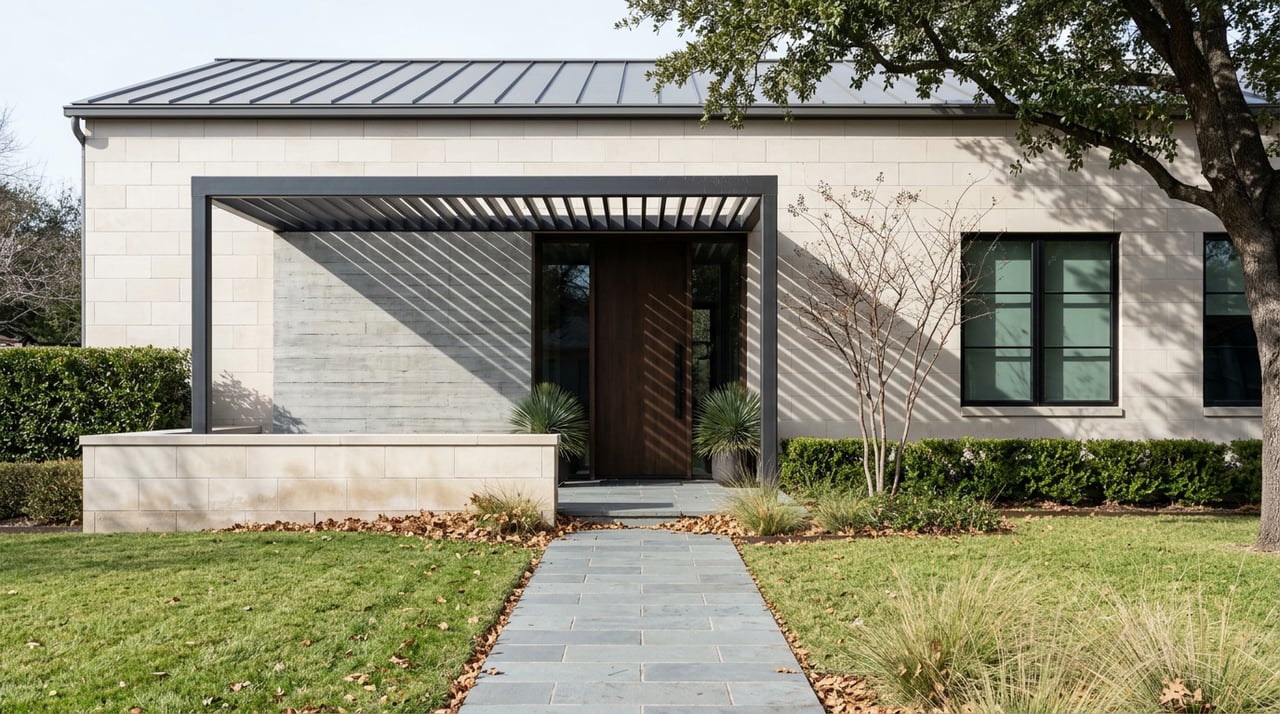
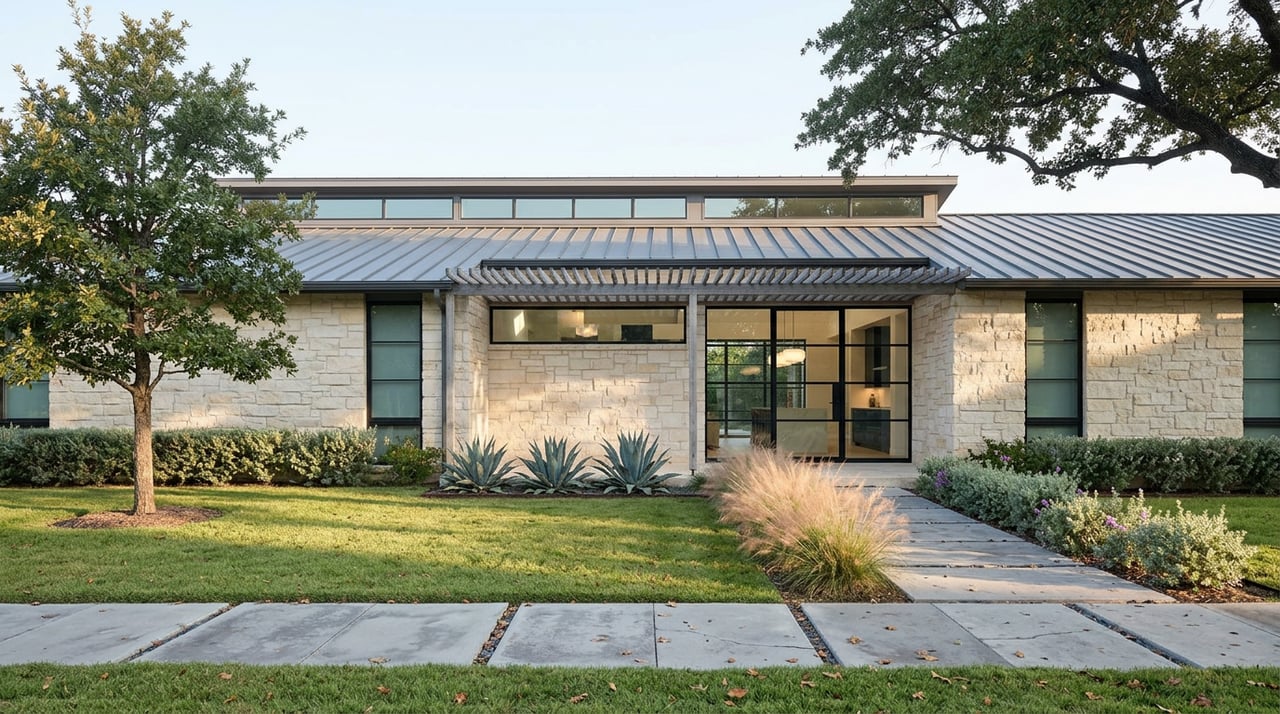
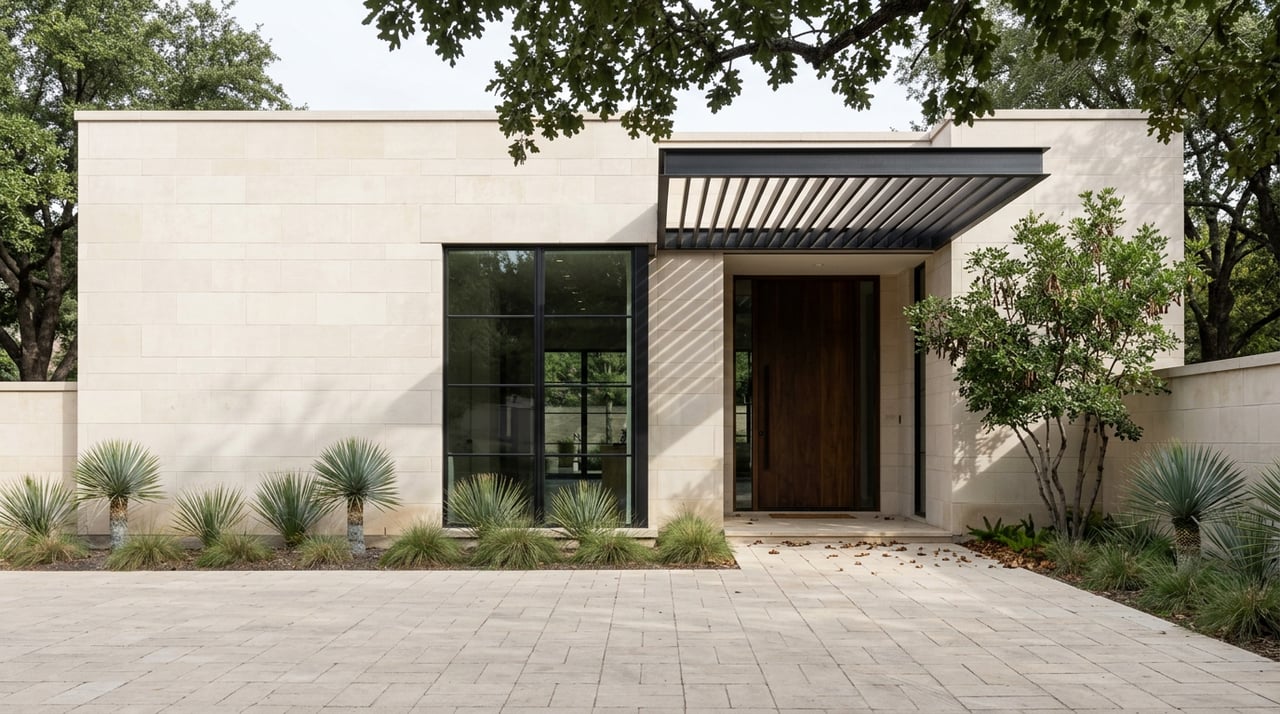
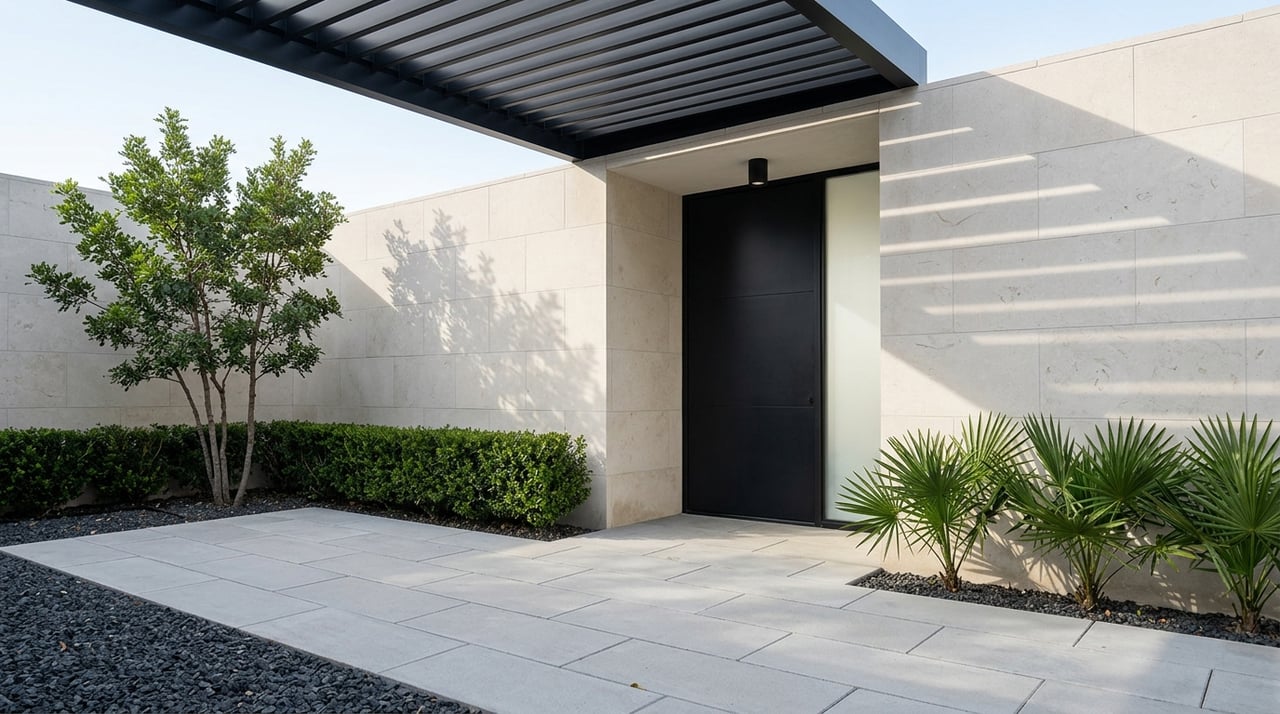
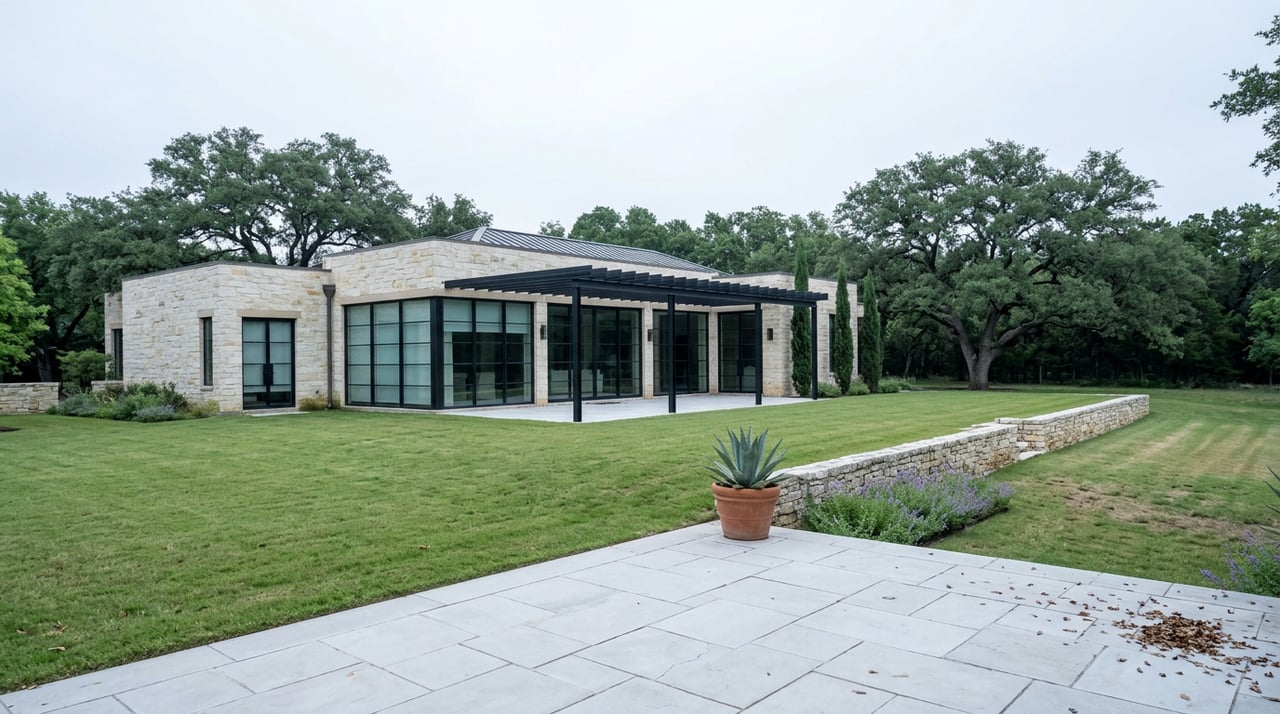
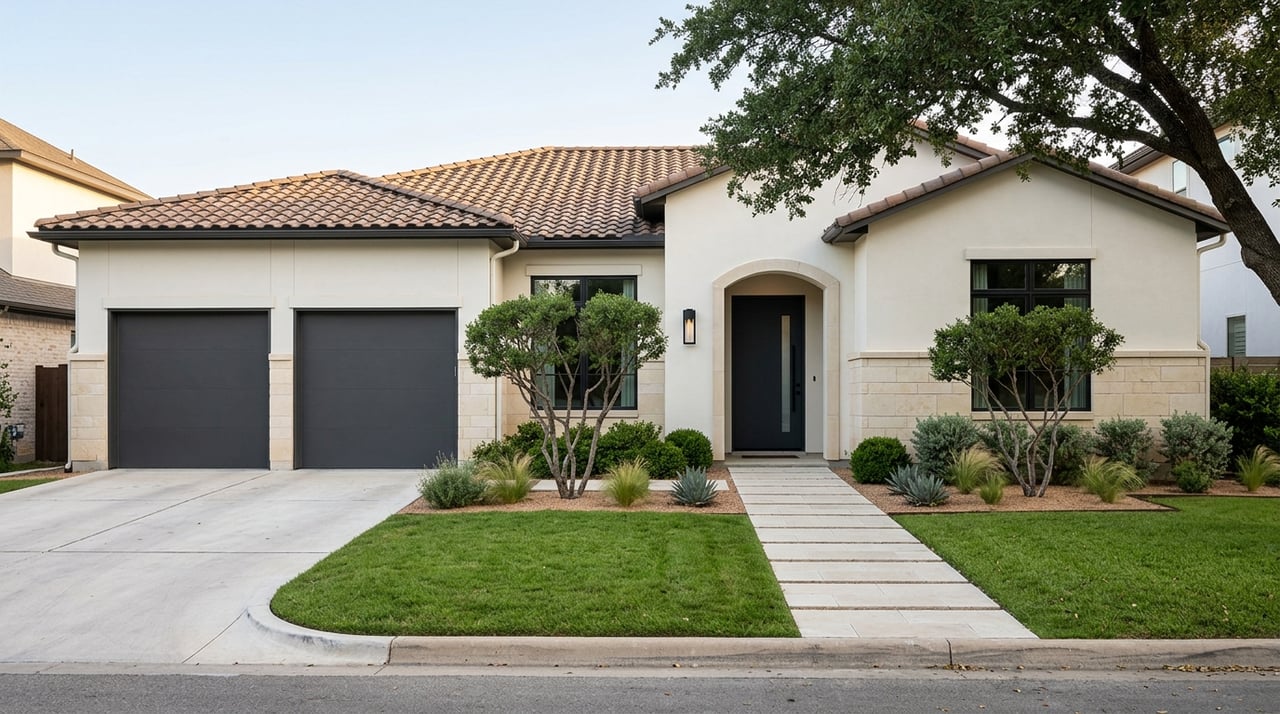
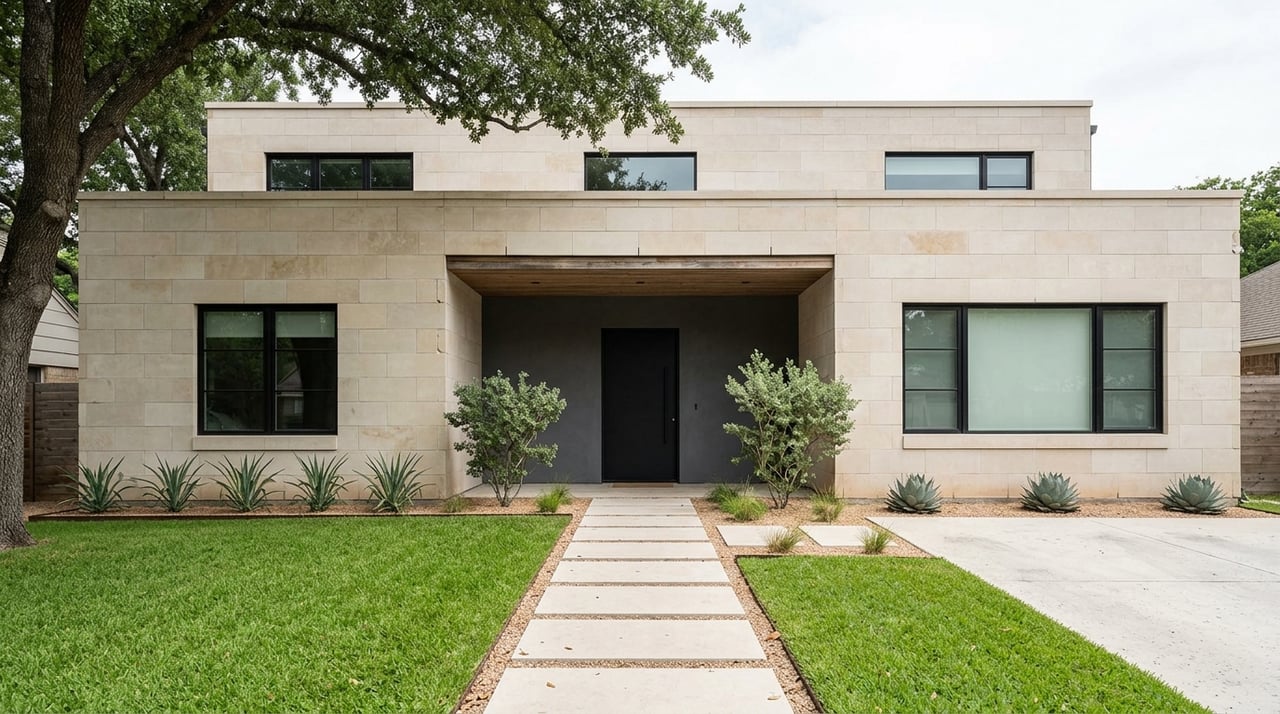
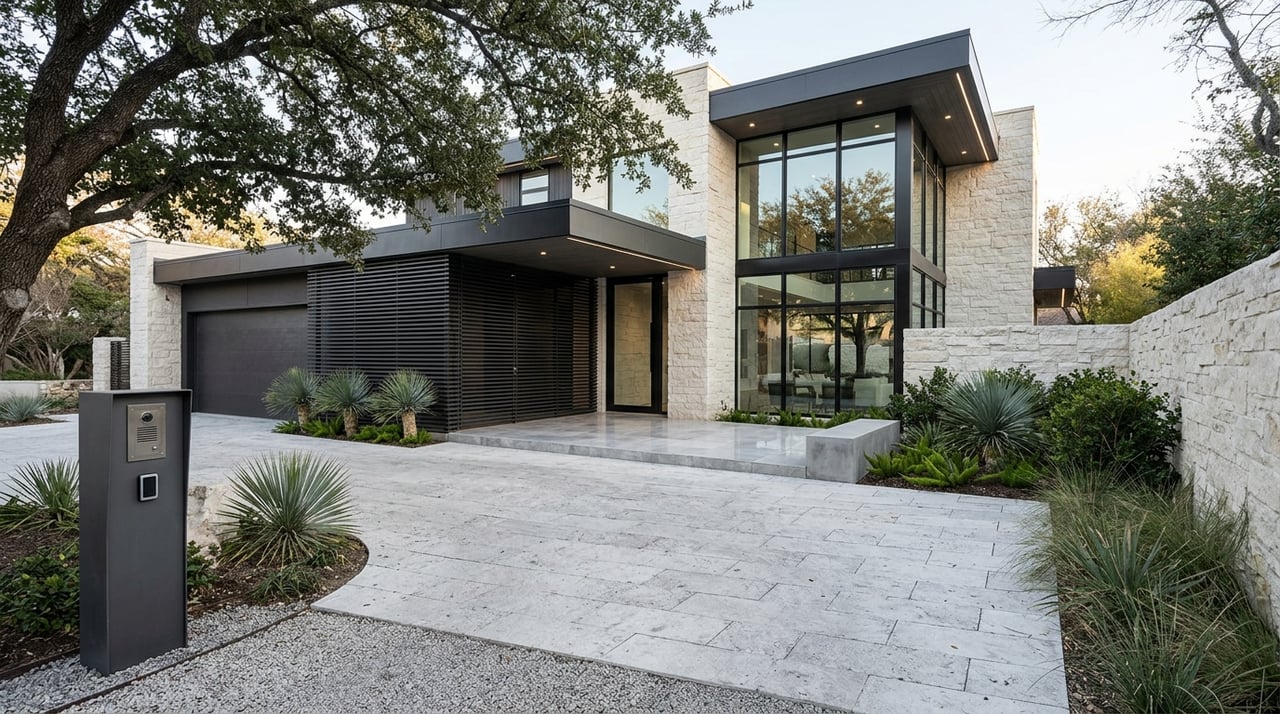
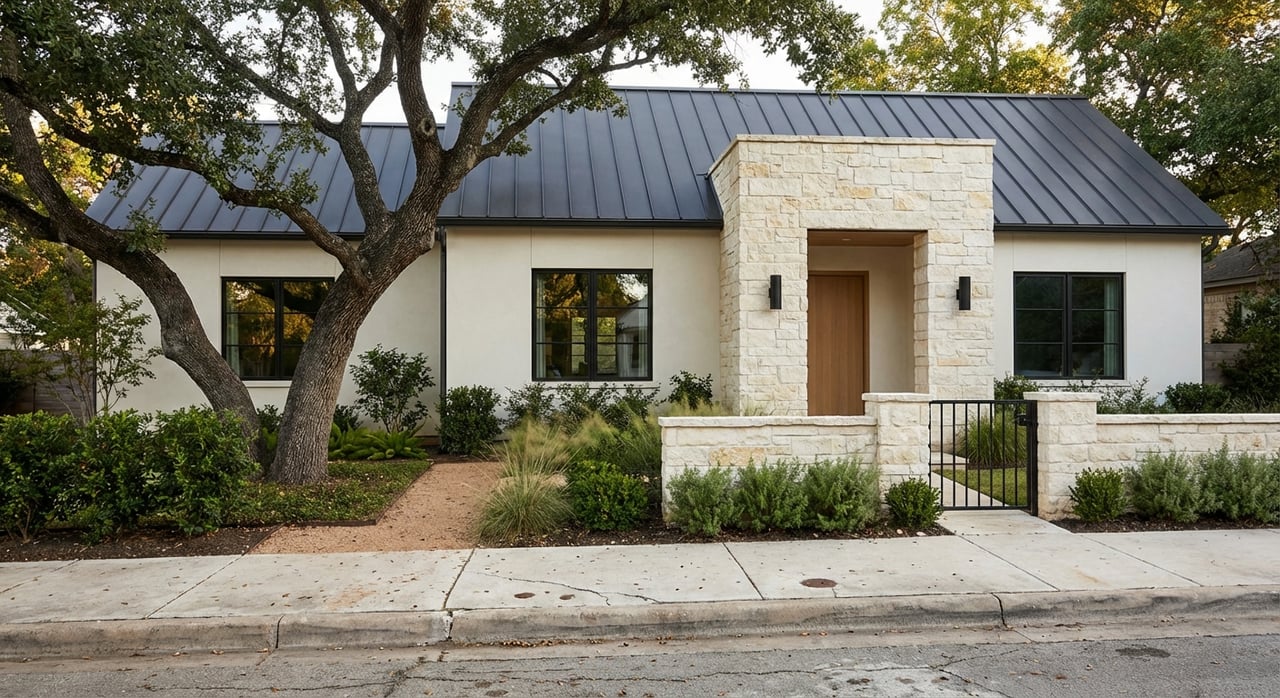
A new build in Alamo Heights is not the same as a new build in a large suburban development. Local rules shape how new construction fits into the block and streetscape.
The city updated its Residential Design Standards in 2021. Substantial replacement projects go through demolition review, and review packets require items like streetscape photos, tree surveys, and existing and proposed elevations.
The zoning code also requires canopy street trees at regular intervals and sidewalks along street frontages, while favoring native or adaptive plantings. In simple terms, new construction here is generally expected to feel compatible with its surroundings rather than overpower them.
How To Decide Which Fits You
The right answer usually comes down to how you want to live, not which category sounds better on paper. Both options can work well in Alamo Heights when the home respects the scale of the block, the tree canopy, and the overall neighborhood setting.
If you love original details, mature landscaping, and a more layered streetscape, a historic home may feel more rewarding. If you are comfortable budgeting for maintenance and taking a thoughtful approach to updates, that path can be a strong long-term fit.
If you want contemporary livability, stronger efficiency, and fewer near-term projects, a newer home may align better with your goals. It can be especially appealing if you prefer open layouts, newer systems, and a home that feels ready for daily life right away.
Quick Comparison
| Feature | Historic Home | New Build |
|---|---|---|
| Style | Architectural character and older details | Contemporary finishes and layout |
| Layout | Often more defined rooms | Often more open and connected spaces |
| Maintenance | Usually higher | Usually lower in the near term |
| Efficiency | May need upgrades | Typically stronger from the start |
| Lot Feel | Mature trees and established setting | More updated site planning within local rules |
| Buyer Appeal | Character and scarcity | Convenience and move-in-ready living |
Think About Resale Through Buyer Fit
When buyers ask which choice has better resale, the answer is usually more nuanced than historic versus new. In Alamo Heights, resale often depends on how well a home matches what its likely future buyer wants.
A historic home may stand out because it offers scarcity, character, and a setting that is hard to recreate. A newer home may attract buyers who want convenience, lower immediate maintenance, and modern daily function.
That is why local context matters so much. In a place like Alamo Heights, the homes that perform best are often the ones that feel aligned with the block, well cared for, and thoughtfully positioned within the neighborhood.
A Smarter Way To Shop In Alamo Heights
If you are weighing these two options, it helps to compare homes with a clear checklist instead of reacting only to looks. Focus on layout, condition, energy performance, lot maintenance, and how much work you realistically want to take on after closing.
For historic homes, pay close attention to systems, insulation, maintenance history, and any limits on changes. For newer homes, look beyond fresh finishes and evaluate how well the design fits the street, the lot, and the long-term feel of the area.
The best choice is the one that supports your lifestyle and feels right for this specific market. In Alamo Heights, that decision is often less about old versus new and more about character versus convenience, with local design context shaping both.
If you want expert guidance as you compare older homes and new construction in Alamo Heights, Ignite International Group offers boutique buyer and seller representation grounded in local knowledge, thoughtful strategy, and personalized service.
FAQs
What makes historic homes in Alamo Heights different from newer homes?
- Historic homes in Alamo Heights often offer older architectural details, mature trees, and more defined room layouts, while newer homes usually provide more open living spaces, updated systems, and stronger energy performance.
Are new builds in Alamo Heights allowed to look completely different from nearby homes?
- New construction in Alamo Heights is shaped by local design standards, demolition review, and streetscape requirements, so it is generally expected to fit the surrounding block rather than dominate it.
What maintenance issues should you expect with an older home in Alamo Heights?
- Older homes may have outdated wiring, older plumbing, less insulation, aging foundations, and in some cases lead-based paint if built before 1978, plus exterior maintenance can be more involved because of local tree regulations.
Is a historic home or a new build better for resale in Alamo Heights?
- Resale usually depends more on buyer fit, condition, and how well the home aligns with the character of the block than on age alone.
How do you choose between historic charm and a new build in Alamo Heights?
- Choose a historic home if you value character, mature landscaping, and are comfortable with maintenance, and choose a new build if you want modern livability, stronger efficiency, and fewer near-term projects.